Bowmont, ID · Canyon County
Roof Leak Water Removal in Bowmont, IDStructural Drying Services & Attic Water Extraction
Roof Leak Water Removal in Bowmont covers emergency roof tarping, attic water extraction, ceiling water damage cleanup and wet insulation removal.
Answered 24/7
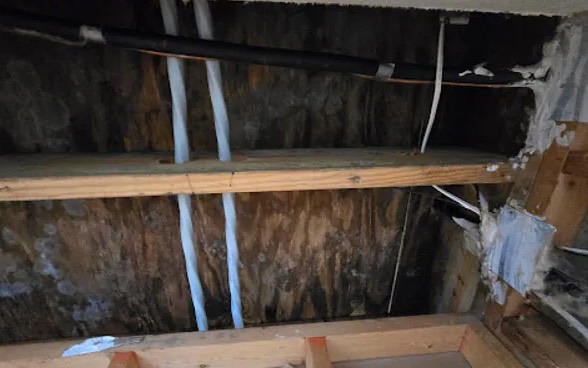
Roof Leak Water Removal in Bowmont, ID
When a storm pushes water through the roof of a Bowmont home, the attic is the first place it collects and the hardest place to dry.
Roof leak water removal is available in Bowmont and nearby Melba, Kuna and Victory. The pros tarp the opening if needed, extract the water and dry the attic framing and ceiling drywall.
What Roof Leak Water Removal Covers in Bowmont
Structural Drying Services
Drying a roof leak means drying wood, not just air. The pros track moisture in the sheathing and framing and adjust the setup until the numbers drop.
Attic Water Extraction
The pros remove standing water from the attic first, because a ceiling holding water can sag and give way under the weight.
Ceiling Water Damage Cleanup
If water is trapped above the ceiling, the pros drain it through a small controlled hole, then dry the joists and decide what drywall must come down.
Leak Source Identification
Water often travels along rafters before it drips, so the stain is rarely under the hole. Tracing it in the attic shows the real entry point.
Wet Insulation Removal
Wet insulation loses its value and flattens. Removing it exposes the ceiling drywall and joists so air movers and dehumidifiers can reach them.
Signs You Need Roof Leak Water Removal
Musty Smell After Rain
A damp, musty smell that gets stronger after storms often means insulation in the attic is staying wet.
Puddles Under the Ceiling
Water on the floor under a stain or a drip means the ceiling above is already holding more than it can absorb.
Daylight Through the Roof Deck
Light showing through the decking from inside the attic marks a gap where rain can come straight in.
Sagging or Bulging Drywall
A ceiling that bulges or feels soft is holding water. It can give way, so keep people and pets out of the room.
How Roof Leak Water Removal Works in Bowmont
Step 1: Protect the Rooms Below
Furniture and belongings under the leak are moved or covered, and floors are protected before any ceiling work begins.
Step 2: Drain and Open the Ceiling
Water trapped above the ceiling is drained through a small hole, and soft drywall is removed to reach the wet cavity.
Step 3: Dry Walls and Framing
Wall cavities under the leak are checked and dried along with the joists and top plates the water ran across.
Step 4: Document for the Claim
Photos, moisture logs and a list of removed materials are put together for you to share with your insurer.
Why Water Gets Into the Attic in Bowmont
Attic Condensation
Warm, humid indoor air meeting a cold roof deck in winter forms frost and drips that can look like a leak and soak insulation.
Cracked Vent Boots
The rubber collars around plumbing vents dry out and split with age, letting rain drip down the pipe into the attic.
Worn Flashing
Flashing around chimneys, skylights and wall joints can crack, rust or pull loose, and water runs in along the gap.
Aging Roofing Materials
As shingles age they curl, lose granules and crack, and slow leaks start where the roof covering has worn thin.
Roof Leak Water Removal for Homes and Businesses in Bowmont
Residential Roof Leak Water Removal
Attic work in a house is tight. Local water extraction experts in Bowmont work from the joists, remove wet insulation and dry the ceiling drywall without stepping through it.
Commercial Roof Leak Water Removal
Leaks over stores and offices can wet stock, desks and electronics. The pros move contents out of the drip zone, extract the water and set up drying for the affected suites.
When a Roof Leak Is Too Big for DIY
Move furniture, electronics and rugs out from under the leak, and set buckets under steady drips. Lay towels to keep water from spreading across wood or carpet floors.
What Roof Leak Water Removal Costs in Bowmont
In Bowmont, the biggest cost drivers after a roof leak are wet insulation, wet ceiling drywall and how hard the attic is to work in.
Belongings in the Way
Moving and drying furniture, stored boxes and electronics under the leak adds time to the job.
Emergency Tarping
If the roof needs a tarp before drying can start, the materials and labor for that step add to the bill.
Size of the Wet Area
The square footage of wet attic, ceiling and wall sets how much equipment is needed and how long it runs.
Does Insurance Cover Roof Leak Water Removal?
Insurance may pay for water removal and drying after a covered roof leak, while the roof repair is handled under different terms. Check your policy and deductible.
Reasons to Use Local Pros for Roof Leak Cleanup
24/7 Help During Storms
Roof leaks happen when it rains, often at night. Help is available around the clock, so tarping and extraction can start once it is safe.
Safe Attic Work
The pros know how to move through an attic on the framing and handle wet ceilings without bringing them down.
One Job, Start to Finish
Tarping, extraction, insulation removal and drying happen in order, so each step is not left waiting on another company.
Emergency Roof Leak Help in Bowmont, ID
Water coming through the ceiling during a storm in Bowmont? Call (208) 537-2633 24/7. The pros can tarp the roof and remove water from the attic before the ceiling gives way.
Call Now (208) 537-2633Roof Leak Water Removal Services Throughout Canyon County
The places below are also served, and each one has its own page.
Roof Leak Water Removal FAQs
How do the pros find where a roof is leaking?
They trace the water from the stain up into the attic, follow it along the rafters and decking, and use moisture meters to find the entry point.
How is water removed from an attic?
Standing water is pulled out with wet vacuums and extractors, then soaked insulation is removed so the ceiling and framing can be dried.
Can my belongings be saved after a roof leak?
Many can. Furniture and boxes are moved out of the drip zone and dried. Items that soaked for a long time or are badly stained may not be worth saving.
Why does wet insulation have to come out?
Wet insulation stays damp for a long time, holds water against the ceiling and framing, and stops insulating. Removing it lets the attic dry.
Why should rainwater be removed from the attic quickly?
Water in the attic soaks through the ceiling into the rooms below and keeps the framing wet. Removing it early limits drywall and insulation losses.