Five Mile Creek Area, ID
Attic Water Removal in Five Mile Creek Area, IDAttic Moisture Inspection & Attic Leak Water Cleanup
Attic Water Removal in Five Mile Creek Area runs from roof leak water removal and wet attic insulation removal to ceiling water damage cleanup.
Answered 24/7
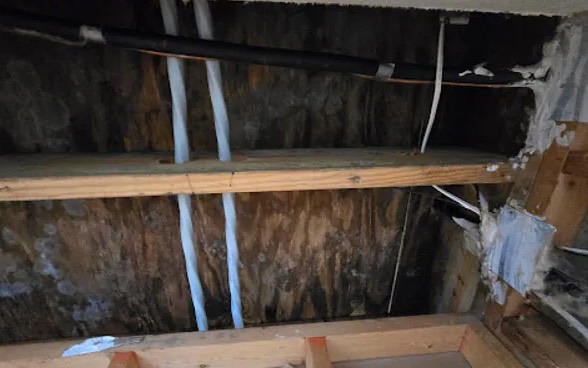
Professional Attic Water Removal in Five Mile Creek Area, ID
After a storm in Five Mile Creek Area, water can enter an attic through damaged shingles, vents or holes from debris. Fast removal protects the ceiling and the rooms underneath.
Comprehensive Attic Water Removal Offerings
Attic Moisture Inspection
Readings are recorded at the start and at each visit, giving a clear drying history for your records and insurer.
Attic Leak Water Cleanup
Water-stained debris, wet cardboard and soaked stored items are cleared out so the attic floor can be dried.
Roof Leak Water Removal
A temporary tarp over the damaged section keeps more rain out until the roofer can make a permanent repair.
Wet Attic Insulation Removal
Fiberglass batts are lifted out by hand, while wet blown-in insulation is vacuumed with a high-powered insulation vacuum.
Attic Mold Prevention
Ventilation problems, such as blocked soffit vents or a bath fan venting into the attic, are pointed out so the attic does not stay damp.
Signs of Attic Water Damage in Five Mile Creek Area
Wet or Damp Attic Insulation
Insulation that feels damp, looks dark or has packed down in one area has absorbed water.
Condensation on Attic Windows or Nails
Damp nail tips or water droplets on attic surfaces point to moisture or ventilation problems.
Visible Mold in Attic Spaces
Dark spots on rafters or roof decking mean the wood has stayed damp for days or longer.
Increased Indoor Humidity Levels
Upstairs rooms that feel sticky or humid may have moisture coming down from the attic.
How Attic Water Removal Works in Five Mile Creek Area
Step 1: Source Control and Water Removal
The roof is tarped or the line shut off, and pooled water is removed from the attic floor.
Step 2: Wet Attic Cleanup and Debris Removal
Soaked insulation, wet debris and stored items are cleared so the wood and drywall can dry.
Step 3: Structural Drying and Dehumidification
Air movers and dehumidifiers are set on boards in the attic and run until readings drop.
Step 4: Final Attic Moisture Check
Decking, rafters and the ceiling below are tested to confirm they are dry before repairs.
Typical Sources of Attic Water Damage
Roof Leaks From Damaged Shingles
Cracked, missing or lifted shingles let rain reach the decking and drip into the attic.
Flashing Failures Around Roof Penetrations
Failed flashing around vents, chimneys and skylights lets rain run into the attic.
HVAC System Leaks or Drain Pan Overflow
An attic air handler overflows when its condensate line clogs or the drain pan cracks.
Overflow From Clogged Bathroom Exhaust Ducts
Bathroom fan ducts that are loose or vented into the attic release moisture onto the wood.
Attic Water Removal for All Property Types in Five Mile Creek Area
Residential Attic Water Removal
In houses, attic water usually reaches a bedroom or hallway ceiling. Water and wet insulation are removed from above, and the ceiling below is dried or replaced.
Commercial Attic Water Removal
In commercial buildings, water above a drop ceiling soaks tiles and insulation over several rooms. Wet tiles are removed and the plenum space above is dried.
Why Hire Local Pros for Attic Water Removal
If the ceiling is bulging, keep people out of the room and place a bucket nearby. Local attic drying specialists can drain and remove it in a controlled way.
What Affects Attic Water Removal Cost in Five Mile Creek Area
An attic leak handled the same day in Five Mile Creek Area usually costs less than one left until the ceiling sags and has to be torn out.
Access and Attic Complexity
Low headroom and small access hatches make attic work slower than open spaces.
Mold Prevention Measures
Antimicrobial treatment of wood that stayed wet is an added step, priced by area.
Drying Time Required
Dense wood framing can take several days to dry, which adds equipment time.
Does Insurance Cover Attic Water Removal?
Photograph the attic, the ceiling and any roof damage before cleanup, and keep receipts for tarping and emergency water removal.
Advantages of Hiring Local Pros for Attic Water Removal in Five Mile Creek Area
Industry Drying Standards
Drying follows industry water damage standards, with moisture readings taken at every visit.
Structural Drying Focus
Rafters, decking and the ceiling are dried, not just the spot under the drip.
Post-Cleanup Verification
Final readings confirm the attic is dry before new insulation goes in.
24-Hour Emergency Attic Water Removal Near Five Mile Creek Area
Water in an attic reaches the ceiling below fast. Call (208) 537-2633 for attic water removal in Five Mile Creek Area at any hour, including storms and holidays.
Call Now (208) 537-2633Communities Served for Attic Water Removal
Homes and businesses throughout Five Mile Creek Area can get roof leak water removal and attic mold prevention as part of attic water removal.
Frequently Asked Questions About Attic Water Removal
Will attic water damage cause mold?
It can if wood and insulation stay wet for days. Fast removal and drying are the main ways to prevent mold.
How can mold be prevented after attic water removal?
By drying wood quickly, fixing ventilation problems and treating framing that stayed wet with an antimicrobial.
What is involved in attic water removal?
Stopping the source, removing pooled water, bagging wet insulation, drying the framing and decking, and checking the ceiling below.
Can I remove attic water myself?
Only small amounts that are easy to reach safely. Pooled water and soaked insulation need safe footing and drying equipment.
How do professionals dry an attic?
With air movers and dehumidifiers placed on boards across the joists, checking moisture readings daily until the wood is dry.