Five Mile Creek Area, ID
Basement Water Damage Restoration in Five Mile Creek Area, IDBasement Sewer Backup Cleanup & Basement Floor Water Removal
Get basement water damage restoration in Five Mile Creek Area for basement floor water removal, basement mold prevention and basement drying services.
Answered 24/7
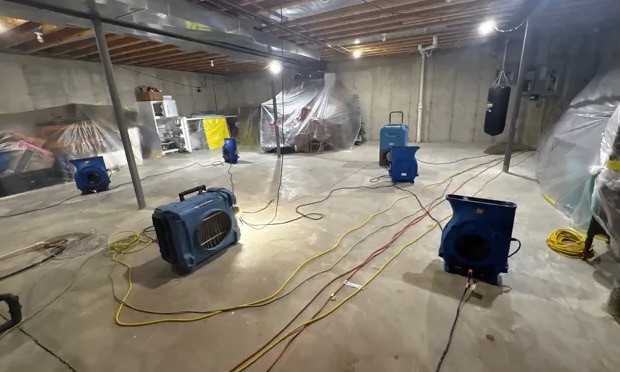
Local Basement Water Damage Restoration Near Five Mile Creek Area
Basements collect water from every direction: rain seeping through walls, groundwater pushing up through the slab, sewage backing up through floor drains and pipes bursting overhead. In Five Mile Creek Area, any of these can leave inches of water on the floor.
Basement Water Damage Restoration Services in Five Mile Creek Area
Basement Sewer Backup Cleanup
After a sewer backup, cleanup and disinfection come before drying, so contaminated surfaces are not left in place.
Basement Floor Water Removal
A slab can look dry on top while still holding water. Moisture readings show when it is ready for new flooring.
Emergency Basement Flood Cleanup
A flooded basement can damage furnaces, water heaters and stored items quickly. Fast pumping limits how much is lost.
Basement Drying Services
Equipment is adjusted each day based on moisture readings until every material reaches its normal level.
Basement Water Extraction
Basement water is removed before drying starts, because every gallon left behind keeps the walls and air damp.
Warning Signs You Need Basement Water Damage Restoration
High Humidity Levels Below-Grade
A basement that stays damp and clammy even on dry days has a moisture source that needs attention.
Rusted Appliances or Pipes
Rust on the water heater, furnace base or pipes points to repeated moisture or past flooding.
Warped or Buckling Basement Floors
Laminate, wood or vinyl flooring that buckles or lifts in the basement has water underneath.
Sump Pump Failure or Overflow
A sump pump that runs constantly, fails to start or lets the pit overflow puts the basement at risk.
How Basement Water Damage Restoration Works in Five Mile Creek Area
Step 1: Water Removal
Pumps and extractors remove standing water from the basement floor, starting at the lowest point.
Step 2: Targeted Moisture Evaporation
Air movers are aimed at wet walls, framing and the slab to speed evaporation.
Step 3: Humidity Control
Large dehumidifiers pull moisture from the basement air, with readings checked every day.
Step 4: Final Verification and Restoration
Final readings confirm the basement is dry, and the space is ready for drywall and flooring repairs.
Why Basement Water Damage Occurs in Five Mile Creek Area
Water Heater or Appliance Leaks
Water heaters, washers and utility sinks in the basement can leak or fail without warning.
Sewer Line Backups
A blocked or overloaded sewer line pushes wastewater up through basement drains and toilets.
Foundation Cracks and Leaks
Cracks in foundation walls let groundwater and melting snow seep into the basement.
High Water Table and Hydrostatic Pressure
A high water table pushes groundwater up through the slab and into the joints between wall and floor.
Both Residential & Commercial Basement Water Damage Restoration in Five Mile Creek Area
Residential Basement Water Damage Restoration
Homeowners with older basements may have seepage that returns with each storm. Drying fixes the current damage, and the source is noted for a waterproofing contractor.
Commercial Basement Water Damage Restoration
Apartment and condo buildings often have shared basements with laundry and storage. Each area is extracted, dried and recorded for the building manager.
Basement Water Damage Restoration: Professional Help vs. Doing It Yourself in Five Mile Creek Area
You can move belongings off the floor and run a household dehumidifier. Drying soaked walls and slabs needs larger equipment and moisture readings to confirm the space is truly dry.
Factors Affecting Basement Water Damage Restoration Cost in Five Mile Creek Area
The cost of basement water damage restoration in Five Mile Creek Area depends on how much water there is, whether it is clean or sewage and how much finished material must be removed.
Affected Square Footage
Larger basements need more extraction, more drying equipment and more days of drying time.
Access Complexity
Narrow stairs, low ceilings and stored contents can make the work slower.
Secondary Damage
Damage to furnaces, water heaters and belongings adds repair and replacement costs.
Does Insurance Cover Basement Water Damage Restoration?
Photos, moisture readings and drying logs from local restoration pros help support an insurance claim for basement water damage in Five Mile Creek Area.
The Value of Local Pros for Basement Water Damage Restoration in Five Mile Creek Area
Water Type Handling
Clean water, gray water and sewage are each handled with the right protection and removal steps.
24/7 Emergency Response
Help is available day or night when water is rising in the basement.
Water Extraction First
Water is removed from floors, carpet and pad before drying starts, which shortens drying time.
Five Mile Creek Area Emergency Basement Water Damage Restoration Response
Sewage coming up through a floor drain? Stop using water in the house and call (208) 537-2633 now for basement water damage restoration in Five Mile Creek Area.
Call Now (208) 537-2633Local Basement Water Damage Restoration Coverage: Five Mile Creek Area and Beyond
Homes and businesses throughout Five Mile Creek Area can get basement sewer backup cleanup and basement wall drying as part of basement water damage restoration.
- Basement Water Damage Restoration in Adrian
- Basement Water Damage Restoration in Amity
- Basement Water Damage Restoration in Annex
- Basement Water Damage Restoration in Avimor
- Basement Water Damage Restoration in Barber Valley
- Basement Water Damage Restoration in Big Bend
- Basement Water Damage Restoration in Black Cat
- Basement Water Damage Restoration in Boise Hills Village
Your Basement Water Damage Restoration Questions Addressed
How is basement sewer backup cleanup different from regular flooding?
Sewage carries bacteria, so it needs protective gear, removal of porous materials and disinfection before drying.
How is basement restoration documented for insurance?
With photos of the water level and damage, moisture readings, a list of removed materials and daily drying logs.
Why is fast response important for below-grade flood restoration?
Basements dry slowly, so every hour of standing water adds days of drying and more material to replace.
Does basement mold prevention need special steps after flooding?
Fast drying is the main step. Wood and concrete that stayed wet can be treated with an antimicrobial once dry.
What are signs of hidden moisture after below-grade water extraction?
Musty smells, tide lines on walls, damp carpet edges and moisture readings that stay high in walls or the slab.