Linder Area, ID
Attic Water Removal in Linder Area, IDEmergency Attic Water Extraction & Roof Leak Water Removal
Attic Water Removal in Linder Area runs from roof leak water removal and wet attic insulation removal to ceiling water damage cleanup.
Answered 24/7
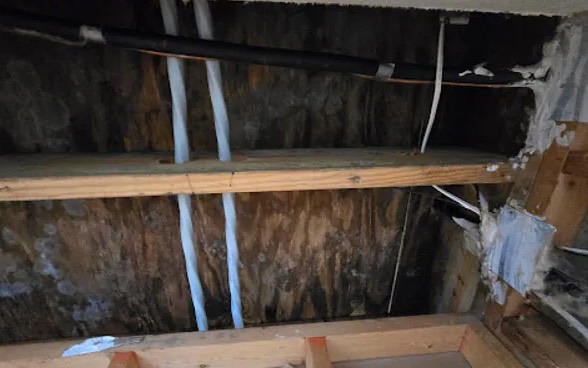
Local Attic Water Removal Solutions in Linder Area
In Linder Area, the most common attic water sources are roof leaks, attic AC units and plumbing that runs through the attic. Each one needs to be stopped before drying can work.
Attic Water Removal Services in Linder Area
Emergency Attic Water Extraction
Water sitting on top of ceiling drywall adds weight fast. Removing it quickly can mean the difference between drying a ceiling and replacing it.
Roof Leak Water Removal
Rainwater from a roof leak is removed from the attic, and the wet path along the decking is followed back to where it entered.
Attic Drying Services
Drying continues until rafters, decking and ceiling drywall reach normal moisture readings, which is often several days.
Attic Mold Prevention
After drying, wood that was wet for more than a day or two can be treated with an antimicrobial to slow microbial growth.
Attic Moisture Inspection
Readings are recorded at the start and at each visit, giving a clear drying history for your records and insurer.
Symptoms Requiring Attic Water Removal in Linder Area
Wet or Damp Attic Insulation
Insulation that feels damp, looks dark or has packed down in one area has absorbed water.
Sagging or Bubbling Ceiling Drywall
Ceiling drywall that sags, bulges or bubbles at the seams is holding water and may fall.
High Utility Bills Unexpectedly
Wet insulation loses its insulating value, so energy bills can rise after an attic leak.
Puddles or Standing Water in Attic
Pooled water on the attic floor or on top of drywall needs removal right away.
How Attic Water Removal Works in Linder Area
Step 1: Attic Flood Cleanup Response
Active drips are contained with buckets and plastic, and the room below is protected.
Step 2: Targeted Attic Moisture Removal
Water is vacuumed from between joists and on top of drywall, starting where it is deepest.
Step 3: Attic Dehumidification
Dehumidifiers pull moisture from the attic air while air movers dry the wet framing.
Step 4: Documentation for Restoration
Photos and moisture readings are compiled to show what was removed and when the attic dried.
Typical Sources of Attic Water Damage
Clogged or Disconnected Gutters
Clogged or loose gutters let water back up under the roof edge and into the soffits.
Condensation From Poor Attic Ventilation
Moist air from the house condenses on roof decking when attic ventilation is poor.
Ice Dam Formation on Roof Edges
Ice dams at the roof edge force melting snow back under shingles and into the attic.
Burst or Leaking Plumbing Pipes
Supply lines and drain pipes in the attic can crack or burst onto the ceiling.
Attic Water Removal for All Property Types in Linder Area
Residential Attic Water Removal
Homeowners with stored items in the attic need those moved out first. Wet boxes are dried or discarded before the attic floor is cleaned and dried.
Commercial Attic Water Removal
Offices and stores need the space below protected while attic work is under way. Drying is planned around business hours where possible.
Choosing Between DIY and the Pros for Attic Water Removal
If you can do it safely, look into the attic with a flashlight to find the wet area. Removing soaked insulation and drying the framing needs boards, protective gear and equipment.
Factors Influencing Attic Water Removal Cost
Roof or plumbing repair is billed separately from water removal and drying. In Linder Area, both are needed after most attic leaks.
Type of Insulation Affected
Blown-in insulation takes more time to remove than batts, and both add disposal costs.
Extent of Water Damage
A leak confined to one bay costs less than water spread across the attic and the rooms below.
Drying Time Required
Dense wood framing can take several days to dry, which adds equipment time.
Does Insurance Cover Attic Water Removal?
Photos, moisture readings and drying logs from local attic drying specialists help support an insurance claim for attic water damage in Linder Area.
Benefits of Local Pros for Attic Water Removal
Controlled Demolition Practices
Only wet insulation and drywall are removed, which keeps the repair as small as possible.
24/7 Emergency Response
Help is available day or night when water is coming through the ceiling.
Mold Inhibitor Application
Wood that stayed wet can be treated with an antimicrobial after it is dried.
Round-the-Clock Attic Water Removal for Linder Area
If water is dripping from a light fixture, shut off that circuit at the panel and keep clear. Then call (208) 537-2633 for help in Linder Area.
Call Now (208) 537-2633Communities Served for Attic Water Removal
Homes and businesses throughout Linder Area can get roof leak water removal and attic mold prevention as part of attic water removal.
Attic Water Removal FAQs
Will attic water damage cause mold?
It can if wood and insulation stay wet for days. Fast removal and drying are the main ways to prevent mold.
Is attic flood cleanup different from a small leak?
The steps are the same, but a flooded attic needs more extraction, more insulation removal and usually ceiling replacement.
How do professionals dry an attic?
With air movers and dehumidifiers placed on boards across the joists, checking moisture readings daily until the wood is dry.
What is involved in attic water removal?
Stopping the source, removing pooled water, bagging wet insulation, drying the framing and decking, and checking the ceiling below.
How quickly should I deal with water in my attic?
Right away. Water on top of ceiling drywall soaks in and adds weight, and the ceiling can sag or fall within a day.