Five Mile Creek Area, ID
Behind Wall Water Extraction in Five Mile Creek Area, IDWall Leak Source Identification & Wet Drywall
Behind Wall Water Extraction in Five Mile Creek Area runs from wall leak source identification and wall cavity water extraction to moisture barrier installation.
Answered 24/7
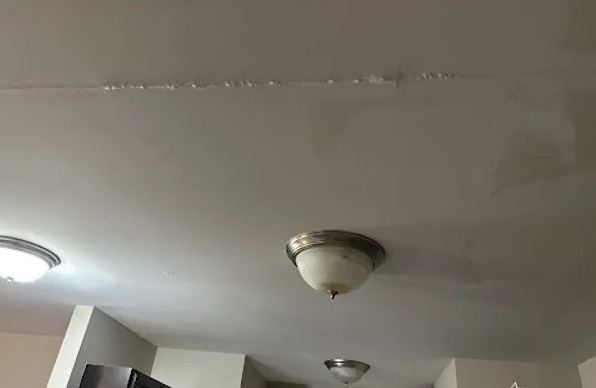
Professional Behind Wall Water Extraction in Five Mile Creek Area, ID
A wall cavity has almost no airflow, so water that gets in stays in. In Five Mile Creek Area homes, insulation and wood framing can remain wet long after the leak stops if nothing is done.
Behind Wall Water Extraction Services in Five Mile Creek Area
Wall Leak Source Identification
Finding the source matters because drying is wasted if the wall keeps getting wet. The source is noted for your plumber or roofer.
Wet Drywall
Wet drywall from clean water can sometimes be dried in place. Drywall wet with dirty water or for days is usually replaced.
Wall Cavity Water Extraction
Water trapped at the bottom of a wall cavity is drained through small holes or a removed baseboard, then extracted before drying starts.
Moisture Barrier Installation
A vapor barrier that trapped water against the studs is removed during drying, and a new one is installed only after readings are normal.
Emergency Behind Wall Water Removal
Emergency removal starts with shutting off the water, then opening the wall where needed and extracting water from the cavity and floor.
How to Tell If You Need Behind Wall Water Extraction in Five Mile Creek Area
Increased Humidity in Home
A home that feels more humid than usual can have wet materials inside the walls.
Mold on Baseboards
Dark spots along baseboards mean water has been collecting at the bottom of the wall for days.
Sagging or Drooping Drywall
Drywall that sags or droops is holding water and can fail. Keep clear and call for help.
Sudden Spike in Water Bill
A water bill that rises with no change in use can mean a supply line leaking inside a wall.
How Behind Wall Water Extraction Works in Five Mile Creek Area
Step 1: Non-Invasive Moisture Detection
Readings through the drywall show the wet area before any holes are made.
Step 2: Strategic Water Extraction
Small access points let water drain and be extracted from the bottom of the cavity.
Step 3: Structural Cavity Drying
Directed airflow dries the studs and plates, with equipment adjusted each day as readings drop.
Step 4: Area Sanitization and Monitoring
Surfaces are cleaned, framing that stayed wet is treated and readings are logged until dry.
Sources of Water Inside Walls in Five Mile Creek Area
Overflow From Adjacent Rooms
Water from an overflowing tub or burst line in the next room runs under the wall into its cavity.
Siding or Stucco Penetration
Cracks in siding or stucco, and gaps around fixtures, let rain into the wall cavity.
Faulty Shower or Tub Enclosure
Failed grout, caulk or a shower valve leak lets water into the wall behind the shower.
Foundation Cracks and Seepage
Groundwater seeping through foundation cracks can wet the bottom of lower-level walls.
Behind Wall Water Extraction for Homes and Businesses in Five Mile Creek Area
Residential Behind Wall Water Extraction
In homes, behind-wall leaks often start at a bathroom, kitchen or laundry wall. Water is found, the wall opened where needed and the cavity dried so the room can be repaired.
Commercial Behind Wall Water Extraction
In offices and stores, wall leaks can damage wiring, finishes and stock along the wall. Work is planned around business hours, and access holes are kept small where possible.
When DIY Fails: Calling Local Pros for Behind Wall Water Extraction in Five Mile Creek Area
A fan blowing on the outside of a wall will not dry the cavity behind it. Professional drying pushes air into the wall and uses readings to confirm the studs are dry.
What Affects Behind Wall Water Extraction Cost in Five Mile Creek Area?
A wall leak caught early in Five Mile Creek Area usually costs far less than one that ran for months and rotted the bottom plate.
Sanitization Requirements
Water from a drain or sewer line requires cleaning and disinfection of the wall cavity.
Drying Equipment Used
The number of air movers and dehumidifiers, and how long they run, affect the total.
Wall Area Affected
A wet section a few feet wide costs less to dry than water spread along a whole wall or several rooms.
Does Insurance Cover Behind Wall Water Extraction?
Insurers often ask how long a hidden leak ran. Notes on the source and the condition of the framing help answer that question.
Reasons to Hire Local Pros for Behind Wall Water Extraction in Five Mile Creek Area
Focused Wall Leak Identification
The source is traced and photographed so the plumber or roofer knows exactly what to fix.
Controlled Demolition Practices
Walls are opened only where readings show water, which keeps repairs smaller.
Detailed Claim Documentation
Photos, readings and drying logs are kept to support your insurance claim.
Urgent Behind Wall Water Extraction Available 24/7 in Five Mile Creek Area
If water is coming from outlets or switches, shut off that circuit at the panel and stay away. Then call (208) 537-2633 for help in Five Mile Creek Area.
Call Now (208) 537-2633Behind Wall Water Extraction in Five Mile Creek Area and Other Areas Served
Help with behind wall water extraction is available across Five Mile Creek Area, including hidden water damage detection and wall cavity water extraction.
- Behind Wall Water Extraction in Adrian
- Behind Wall Water Extraction in Amity
- Behind Wall Water Extraction in Annex
- Behind Wall Water Extraction in Avimor
- Behind Wall Water Extraction in Barber Valley
- Behind Wall Water Extraction in Big Bend
- Behind Wall Water Extraction in Black Cat
- Behind Wall Water Extraction in Boise Hills Village
Frequently Asked Questions About Behind Wall Water Extraction in Five Mile Creek Area
How long does interior wall drying take?
Often several days, depending on how long the wall was wet and whether insulation was removed.
Can hidden water damage in walls affect indoor air?
Wet framing and insulation can cause musty odors and microbial growth, which is why drying the cavity matters.
Does water extraction require cutting into drywall?
Not always. Small holes or removed baseboards are often enough. Larger cuts are made only where drywall is ruined.
What is behind wall water extraction?
Finding water inside a wall cavity, removing it through small openings or removed drywall, and drying the framing and insulation until readings are normal.
Why call pros for water extraction from walls?
They can find the water without guesswork, open the wall only where needed and confirm the cavity is dry.