Homedale, ID · Owyhee County
Basement Water Damage Restoration in Homedale, IDBasement Sewer Backup Cleanup & Basement Drying Services
Basement Water Damage Restoration in Homedale runs from basement water extraction and basement floor water removal to basement dehumidification.
Answered 24/7
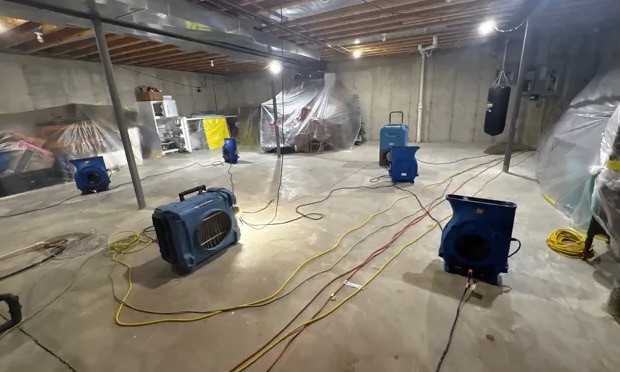
Local Basement Water Damage Restoration Near Homedale
When a sump pump fails during heavy rain in Homedale, water can rise in the basement fast. Furnaces, water heaters, washers and stored belongings all sit at floor level and take the damage first.
In Homedale, Wilder, Greenleaf and Huston, many finished basements hide old moisture behind drywall and flooring. The pros find the water and dry the space before more damage sets in.
The Basement Water Damage Restoration Process in Homedale
Basement Sewer Backup Cleanup
After a sewer backup, cleanup and disinfection come before drying, so contaminated surfaces are not left in place.
Basement Drying Services
Air movers and dehumidifiers are placed to dry walls, framing and the slab. Below-grade rooms dry slowly, so readings are taken daily.
Basement Wall Drying
Finished basement walls hide wet insulation and framing. Removing the bottom of the drywall lets air reach the cavity.
Basement Floor Water Removal
Wet carpet pad is removed from basement floors, since it holds water against the concrete and dries poorly.
Basement Mold Prevention
Keeping basement humidity low after drying helps prevent mold from returning, especially in finished spaces.
How to Know You Need Basement Water Damage Restoration in Homedale
Rusted Appliances or Pipes
Rust on the water heater, furnace base or pipes points to repeated moisture or past flooding.
Efflorescence on Concrete Walls
White, chalky deposits on concrete walls mean water is moving through the concrete and leaving minerals behind.
Peeling Paint or Wallpaper
Paint that peels or blisters on basement walls often has moisture behind it.
Damp or Musty Odors
A damp, earthy or musty smell in the basement often means hidden moisture in walls, carpet or the slab.
How Basement Water Damage Restoration Works in Homedale
Step 1: Source Control and Extraction
The pipe is shut off, the sump restarted or the backup stopped, then the water is pumped out.
Step 2: Structural Drying Setup
Lower drywall is removed where soaked, and equipment is placed to dry wall cavities and the slab.
Step 3: Contaminant Removal
Materials touched by sewage or dirty water are removed and hard surfaces are cleaned and disinfected.
Step 4: Monitoring and Completion
Daily readings track drying until every material is normal, then equipment is removed.
Frequent Sources of Water Damage in Homedale
Foundation Cracks and Leaks
Cracks in foundation walls let groundwater and melting snow seep into the basement.
High Water Table and Hydrostatic Pressure
A high water table pushes groundwater up through the slab and into the joints between wall and floor.
Plumbing Pipe Bursts or Leaks
Supply lines and drain pipes in basement ceilings can crack or burst onto the floor below.
Sewer Line Backups
A blocked or overloaded sewer line pushes wastewater up through basement drains and toilets.
Home and Business Basement Water Damage Restoration in Homedale
Residential Basement Water Damage Restoration
Homeowners with older basements may have seepage that returns with each storm. Drying fixes the current damage, and the source is noted for a waterproofing contractor.
Commercial Basement Water Damage Restoration
Apartment and condo buildings often have shared basements with laundry and storage. Each area is extracted, dried and recorded for the building manager.
Basement Water Damage Restoration: Professional Help vs. Doing It Yourself in Homedale
Fans alone can push damp air into the rest of the house. Basement drying needs dehumidifiers to pull the moisture out of the air and the concrete.
Basement Water Damage Restoration Cost in Homedale, ID
A basement pumped and dried right away in Homedale usually costs less than one left wet for days, when more drywall and flooring are lost.
Drying Time Required
Basements dry slowly, and longer drying means more equipment days and monitoring visits.
Material Saturation
Finished basements with carpet, drywall and insulation take more removal work than bare concrete.
Access Complexity
Narrow stairs, low ceilings and stored contents can make the work slower.
Does Insurance Cover Basement Water Damage Restoration?
Photograph the water level, damaged belongings and appliances before cleanup starts, and keep receipts for emergency pumping and drying to send to your insurer.
Reasons to Hire Local Pros for Basement Water Damage Restoration in Homedale
Water Extraction First
Water is removed from floors, carpet and pad before drying starts, which shortens drying time.
Detailed Documentation
Photos, readings and drying logs are kept to support your insurance claim.
Water Type Handling
Clean water, gray water and sewage are each handled with the right protection and removal steps.
24/7 Emergency Basement Water Damage Restoration in Homedale
Every hour of standing water in a basement means more drywall and flooring to replace. Call (208) 537-2633 for basement water damage restoration in Homedale.
Call Now (208) 537-2633Basement Water Damage Restoration Available Throughout Owyhee County
Nearby areas served for basement water damage restoration include Wilder, Greenleaf and Huston, with the same pumping and drying steps used in Homedale.
- Basement Water Damage Restoration in Wilder
- Basement Water Damage Restoration in Greenleaf
- Basement Water Damage Restoration in Huston
- Basement Water Damage Restoration in Marsing
- Basement Water Damage Restoration in Notus
- Basement Water Damage Restoration in Adrian
- Basement Water Damage Restoration in Caldwell
- Basement Water Damage Restoration in Parma
- Emergency Damage Restoration in 83628
- Storm Damage Restoration in 83628
- Water Damage Restoration in 83628
- Water Extraction Service in 83628
- Water Leak Detection in 83628
- Water Removal Service in 83628
Basement Water Damage Restoration FAQs
What does below-grade moisture removal include beyond pumping?
Extracting carpet and pad, opening wet walls, running air movers and dehumidifiers, and checking readings until dry.
What equipment is used for below-grade water damage repair?
Submersible pumps, extractors, air movers, large dehumidifiers, moisture meters and air scrubbers for dust and odor.
What are signs of hidden moisture after below-grade water extraction?
Musty smells, tide lines on walls, damp carpet edges and moisture readings that stay high in walls or the slab.
How long does below-grade drying take after a flood?
Often several days or longer, since concrete and cool basement air dry slowly. Daily readings show progress.
Should I try below-grade waterproofing myself after flooding?
Sealing a small crack can be a DIY job, but drying must come first, and larger waterproofing work should go to a contractor.