Parma, ID · Canyon County
Basement Water Damage Restoration in Parma, IDBasement Wall Drying & Basement Drying Services
Basement Water Damage Restoration in Parma runs from basement water extraction and basement floor water removal to basement dehumidification.
Answered 24/7
Basement Water Damage Restoration Solutions in Parma, Idaho
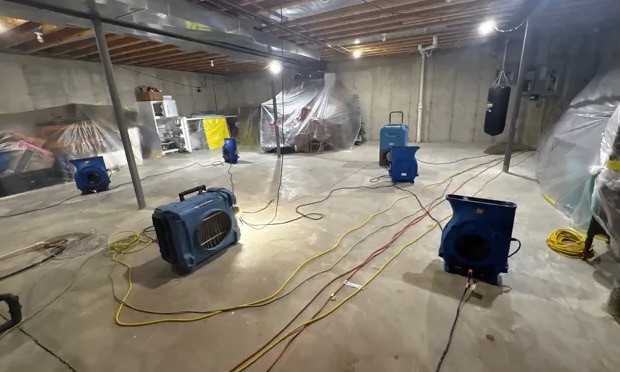
Basement Water Damage Restoration in Parma usually involves two parts: the emergency work of removing water and the slower work of drying a below-grade space. Both matter for keeping repairs small.
Homes in Parma and nearby Nyssa, Adrian and Wilder with basements deal with seepage, plumbing leaks and sewer backups. Help with basement water damage restoration covers pumping, removal of wet materials and drying of walls and concrete.
Basement Water Damage Restoration Services in Parma
Basement Wall Drying
Wet drywall is cut back above the water line when it is soaked, and the wall cavity and insulation behind it are dried or replaced.
Basement Drying Services
Equipment is adjusted each day based on moisture readings until every material reaches its normal level.
Emergency Basement Flood Cleanup
Help is available any hour when water is rising in the basement from a burst pipe, a sewer backup or heavy rain.
Basement Dehumidification
Dehumidification continues until humidity and material readings are normal. Turning it off too early lets moisture return.
Basement Water Extraction
Submersible pumps remove deep standing water, then portable extractors pull water from carpet, pad and the concrete floor.
Indicators for Basement Water Damage Restoration in Parma
Condensation on Windows or Pipes
Water beading on cold pipes or basement windows shows high humidity that keeps materials damp.
Wet or Stained Basement Walls
Dark, wet patches or tide lines on basement walls show where water seeped in or wicked up.
Mold on Surfaces
Dark spots on drywall, framing or stored boxes mean the area has stayed wet for days.
Damp or Musty Odors
A damp, earthy or musty smell in the basement often means hidden moisture in walls, carpet or the slab.
How Basement Water Damage Restoration Works in Parma
Step 1: Source Control and Extraction
The pipe is shut off, the sump restarted or the backup stopped, then the water is pumped out.
Step 2: Structural Drying Setup
Lower drywall is removed where soaked, and equipment is placed to dry wall cavities and the slab.
Step 3: Contaminant Removal
Materials touched by sewage or dirty water are removed and hard surfaces are cleaned and disinfected.
Step 4: Monitoring and Completion
Daily readings track drying until every material is normal, then equipment is removed.
Typical Sources of Basement Water Damage in Parma
Overland Flooding From Storms
Heavy storms and snowmelt can send surface water into basements through doors and walls.
Sewer Line Backups
A blocked or overloaded sewer line pushes wastewater up through basement drains and toilets.
Plumbing Pipe Bursts or Leaks
Supply lines and drain pipes in basement ceilings can crack or burst onto the floor below.
Sump Pump Mechanical Failure
A sump pump that fails, loses power or is too small lets groundwater rise into the basement.
Basement Water Damage Restoration for Homes and Businesses in Parma
Residential Basement Water Damage Restoration
In homes, a flooded basement often means damaged carpet, drywall, a furnace or water heater and stored belongings. Water is pumped out, contents are moved and the space is dried.
Commercial Basement Water Damage Restoration
In commercial buildings, basements hold mechanical rooms, storage and sometimes offices. Water is removed and equipment areas are dried so systems can be checked and restarted.
Basement Water Damage Restoration vs. DIY: When to Call the Pros
If a small leak left a puddle on bare concrete, a wet vac and a dehumidifier may be enough. Call local water damage pros if water reached drywall, carpet or framing, or if it came from a sewer drain.
Cost Considerations for Basement Water Damage Restoration in Parma
The cost of basement water damage restoration in Parma depends on how much water there is, whether it is clean or sewage and how much finished material must be removed.
Access Complexity
Narrow stairs, low ceilings and stored contents can make the work slower.
Water Category
Clean water costs less to handle than sewage, which needs protective gear, removal and disinfection.
Affected Square Footage
Larger basements need more extraction, more drying equipment and more days of drying time.
Does Insurance Cover Basement Water Damage Restoration?
Coverage for groundwater seepage and backups varies widely between policies. Ask your adjuster whether your policy includes it before work begins.
Benefits of Local Pros for Basement Water Damage Restoration in Parma
Mold Prevention Focus
Fast drying is the main way to limit microbial growth in a below-grade space.
Structural Integrity Assessment
Walls, stairs and framing are checked for damage before work begins in the basement.
24/7 Emergency Response
Help is available day or night when water is rising in the basement.
Parma Emergency Basement Water Damage Restoration Response
A flooded basement damages walls, furnaces, water heaters and belongings quickly. Call (208) 537-2633 for basement water damage restoration in Parma at any hour.
Call Now (208) 537-2633Local Basement Water Damage Restoration Coverage: Parma and Beyond
Basement water removal and drying also cover homes and buildings in Nyssa, Adrian and Wilder, close to Parma, day or night.
- Basement Water Damage Restoration in Nyssa
- Basement Water Damage Restoration in Adrian
- Basement Water Damage Restoration in Wilder
- Basement Water Damage Restoration in Notus
- Basement Water Damage Restoration in Greenleaf
- Basement Water Damage Restoration in Homedale
- Basement Water Damage Restoration in Caldwell
- Basement Water Damage Restoration in New Plymouth
- Emergency Damage Restoration in 83660
- Storm Damage Restoration in 83660
- Water Damage Restoration in 83660
- Water Extraction Service in 83660
- Water Leak Detection in 83660
- Water Removal Service in 83660
Basement Water Damage Restoration FAQs
Why is fast response important for below-grade flood restoration?
Basements dry slowly, so every hour of standing water adds days of drying and more material to replace.
What does below-grade moisture removal include beyond pumping?
Extracting carpet and pad, opening wet walls, running air movers and dehumidifiers, and checking readings until dry.
How soon should I call for basement water extraction after a leak?
Right away. Water wicks up drywall and soaks framing within hours, and below-grade spaces are slow to dry.
What causes the most common below-grade leaks in homes?
Sump pump failures, foundation cracks, clogged drain tile, sewer backups and burst pipes in the basement ceiling.
How long does below-grade drying take after a flood?
Often several days or longer, since concrete and cool basement air dry slowly. Daily readings show progress.