New Plymouth, ID · Payette County
Basement Water Damage Restoration in New Plymouth, IDBasement Drying Services & Basement Floor Water Removal
Basement Water Damage Restoration in New Plymouth includes emergency basement flood cleanup, basement sewer backup cleanup and basement wall drying.
Answered 24/7
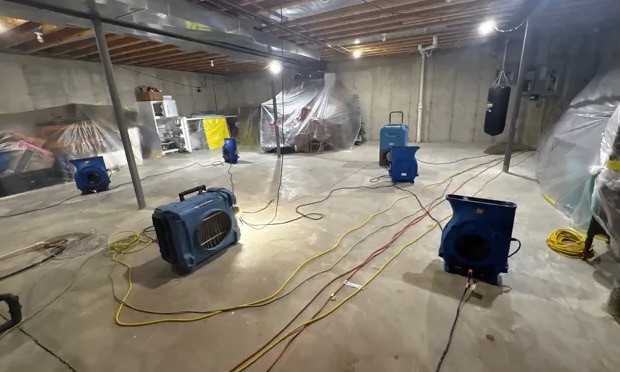
Expert Basement Water Damage Restoration Serving New Plymouth
Basement Water Damage Restoration in New Plymouth covers finished and unfinished basements. A bare concrete basement can often be pumped and dried. A finished one usually needs carpet, pad and lower drywall removed so the walls and slab can dry.
One burst pipe or heavy storm in New Plymouth can flood a basement. Local restoration pros serve New Plymouth and nearby Fruitland, Ontario and Payette, with help available around the clock.
Professional Basement Water Damage Restoration Offered in New Plymouth
Basement Drying Services
Equipment is adjusted each day based on moisture readings until every material reaches its normal level.
Basement Floor Water Removal
A slab can look dry on top while still holding water. Moisture readings show when it is ready for new flooring.
Basement Water Extraction
Basement water is removed before drying starts, because every gallon left behind keeps the walls and air damp.
Basement Wall Drying
Wet drywall is cut back above the water line when it is soaked, and the wall cavity and insulation behind it are dried or replaced.
Basement Mold Prevention
Keeping basement humidity low after drying helps prevent mold from returning, especially in finished spaces.
Signs of Basement Water Damage in New Plymouth
Mold on Surfaces
Dark spots on drywall, framing or stored boxes mean the area has stayed wet for days.
Efflorescence on Concrete Walls
White, chalky deposits on concrete walls mean water is moving through the concrete and leaving minerals behind.
Damp or Musty Odors
A damp, earthy or musty smell in the basement often means hidden moisture in walls, carpet or the slab.
Warped or Buckling Basement Floors
Laminate, wood or vinyl flooring that buckles or lifts in the basement has water underneath.
How Basement Water Damage Restoration Works in New Plymouth
Step 1: Water Removal
Pumps and extractors remove standing water from the basement floor, starting at the lowest point.
Step 2: Targeted Moisture Evaporation
Air movers are aimed at wet walls, framing and the slab to speed evaporation.
Step 3: Humidity Control
Large dehumidifiers pull moisture from the basement air, with readings checked every day.
Step 4: Final Verification and Restoration
Final readings confirm the basement is dry, and the space is ready for drywall and flooring repairs.
Frequent Sources of Water Damage in New Plymouth
Failed or Clogged Drain Tile
Clogged or collapsed drain tile around the foundation lets water build up against the walls.
Overland Flooding From Storms
Heavy storms and snowmelt can send surface water into basements through doors and walls.
Plumbing Pipe Bursts or Leaks
Supply lines and drain pipes in basement ceilings can crack or burst onto the floor below.
High Water Table and Hydrostatic Pressure
A high water table pushes groundwater up through the slab and into the joints between wall and floor.
Residential and Commercial Basement Water Damage Restoration in New Plymouth
Residential Basement Water Damage Restoration
Homeowners with older basements may have seepage that returns with each storm. Drying fixes the current damage, and the source is noted for a waterproofing contractor.
Commercial Basement Water Damage Restoration
Apartment and condo buildings often have shared basements with laundry and storage. Each area is extracted, dried and recorded for the building manager.
DIY vs. Professional Basement Water Damage Restoration in New Plymouth
Sewage in a basement should not be cleaned up without gloves, boots and eye protection. For any backup through a floor drain or toilet, call local restoration pros.
Understanding Basement Water Damage Restoration Pricing in New Plymouth
Before pricing basement water damage restoration in New Plymouth, the pros check the water depth, the type of water and what the basement is finished with.
Affected Square Footage
Larger basements need more extraction, more drying equipment and more days of drying time.
Access Complexity
Narrow stairs, low ceilings and stored contents can make the work slower.
Material Saturation
Finished basements with carpet, drywall and insulation take more removal work than bare concrete.
Does Insurance Cover Basement Water Damage Restoration?
Coverage for basement water damage restoration depends on where the water came from and your policy terms. The pros document the damage, and your insurer decides what is covered.
Why Choose Local Pros for Basement Water Damage Restoration in New Plymouth
Industry Drying Standards
Drying follows industry water damage standards, with readings taken at every visit.
24/7 Emergency Response
Help is available day or night when water is rising in the basement.
Structural Integrity Assessment
Walls, stairs and framing are checked for damage before work begins in the basement.
24/7 Emergency Basement Water Damage Restoration for New Plymouth
If water is near outlets or the electrical panel, do not walk into it. Call (208) 537-2633 for help in New Plymouth and wait for the power to be made safe.
Call Now (208) 537-2633Basement Water Damage Restoration Near New Plymouth: Areas Served
Help with basement water damage restoration is also available in communities near New Plymouth, including Fruitland, Ontario and Payette, for flooded basements and sewer backups.
- Basement Water Damage Restoration in Fruitland
- Basement Water Damage Restoration in Ontario
- Basement Water Damage Restoration in Payette
- Basement Water Damage Restoration in Nyssa
- Basement Water Damage Restoration in Parma
- Basement Water Damage Restoration in Emmett
- Basement Water Damage Restoration in Notus
- Basement Water Damage Restoration in Middleton
- Emergency Damage Restoration in 83655
- Storm Damage Restoration in 83655
- Water Damage Restoration in 83655
- Water Extraction Service in 83655
- Water Leak Detection in 83655
- Water Removal Service in 83655
Your Basement Water Damage Restoration Questions Addressed
How soon should I call for basement water extraction after a leak?
Right away. Water wicks up drywall and soaks framing within hours, and below-grade spaces are slow to dry.
Should I try below-grade waterproofing myself after flooding?
Sealing a small crack can be a DIY job, but drying must come first, and larger waterproofing work should go to a contractor.
Can wet basement drywall be saved after water damage?
Sometimes, if the water was clean and removed quickly. Soaked or sewage-contaminated drywall is cut out above the water line.
What causes the most common below-grade leaks in homes?
Sump pump failures, foundation cracks, clogged drain tile, sewer backups and burst pipes in the basement ceiling.
What are signs of hidden moisture after below-grade water extraction?
Musty smells, tide lines on walls, damp carpet edges and moisture readings that stay high in walls or the slab.