Smiths Ferry, ID · Valley County
Basement Water Damage Restoration in Smiths Ferry, IDBasement Water Extraction & Basement Wall Drying
Basement Water Damage Restoration in Smiths Ferry runs from basement water extraction and basement floor water removal to basement dehumidification.
Answered 24/7
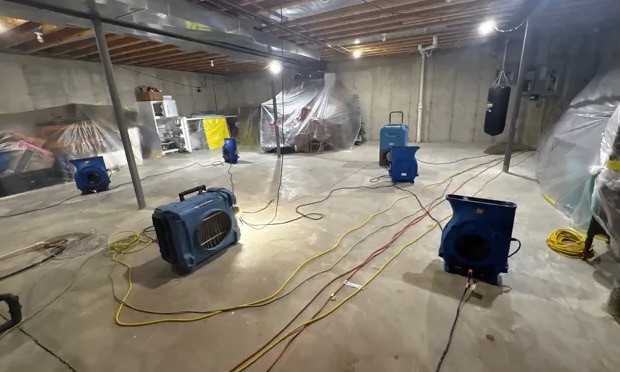
Basement Water Damage Restoration for Smiths Ferry Homes
When a sump pump fails during heavy rain in Smiths Ferry, water can rise in the basement fast. Furnaces, water heaters, washers and stored belongings all sit at floor level and take the damage first.
Homes in Smiths Ferry and nearby Cascade, Garden Valley and Horseshoe Bend with basements deal with seepage, plumbing leaks and sewer backups. Help with basement water damage restoration covers pumping, removal of wet materials and drying of walls and concrete.
Basement Water Damage Restoration Solutions Available in Smiths Ferry
Basement Water Extraction
Extraction starts at the lowest point, often near the floor drain or sump, and works outward until no pooled water remains.
Basement Wall Drying
Concrete and block walls are dried with directed airflow and dehumidifiers, and checked with meters until readings drop.
Basement Mold Prevention
Keeping basement humidity low after drying helps prevent mold from returning, especially in finished spaces.
Emergency Basement Flood Cleanup
Emergency cleanup starts with stopping the source where possible, checking for electrical hazards and pumping out the water.
Basement Dehumidification
Large dehumidifiers pull moisture from the basement air so walls, framing and the slab can release their water.
When to Consider Basement Water Damage Restoration for Your Smiths Ferry Home
Wet or Stained Basement Walls
Dark, wet patches or tide lines on basement walls show where water seeped in or wicked up.
Peeling Paint or Wallpaper
Paint that peels or blisters on basement walls often has moisture behind it.
Condensation on Windows or Pipes
Water beading on cold pipes or basement windows shows high humidity that keeps materials damp.
Sump Pump Failure or Overflow
A sump pump that runs constantly, fails to start or lets the pit overflow puts the basement at risk.
How Basement Water Damage Restoration Works in Smiths Ferry
Step 1: Source Control and Extraction
The pipe is shut off, the sump restarted or the backup stopped, then the water is pumped out.
Step 2: Structural Drying Setup
Lower drywall is removed where soaked, and equipment is placed to dry wall cavities and the slab.
Step 3: Contaminant Removal
Materials touched by sewage or dirty water are removed and hard surfaces are cleaned and disinfected.
Step 4: Monitoring and Completion
Daily readings track drying until every material is normal, then equipment is removed.
Typical Sources of Basement Water Damage in Smiths Ferry
Overland Flooding From Storms
Heavy storms and snowmelt can send surface water into basements through doors and walls.
Faulty Basement Waterproofing
Old or failed waterproofing on foundation walls lets water through during wet weather.
Failed or Clogged Drain Tile
Clogged or collapsed drain tile around the foundation lets water build up against the walls.
High Water Table and Hydrostatic Pressure
A high water table pushes groundwater up through the slab and into the joints between wall and floor.
Home and Business Basement Water Damage Restoration in Smiths Ferry
Residential Basement Water Damage Restoration
In homes, a flooded basement often means damaged carpet, drywall, a furnace or water heater and stored belongings. Water is pumped out, contents are moved and the space is dried.
Commercial Basement Water Damage Restoration
In commercial buildings, basements hold mechanical rooms, storage and sometimes offices. Water is removed and equipment areas are dried so systems can be checked and restarted.
DIY vs. Professional Basement Water Damage Restoration in Smiths Ferry
Fans alone can push damp air into the rest of the house. Basement drying needs dehumidifiers to pull the moisture out of the air and the concrete.
What Influences Basement Water Damage Restoration Cost in Smiths Ferry
Waterproofing or sump pump replacement is a separate cost from water removal and drying. In Smiths Ferry, both may be needed to prevent a repeat.
Drying Time Required
Basements dry slowly, and longer drying means more equipment days and monitoring visits.
Dehumidification Needs
Large dehumidifiers may need to run longer in below-grade spaces than in upper floors.
Material Saturation
Finished basements with carpet, drywall and insulation take more removal work than bare concrete.
Does Insurance Cover Basement Water Damage Restoration?
Coverage for groundwater seepage and backups varies widely between policies. Ask your adjuster whether your policy includes it before work begins.
The Value of Local Pros for Basement Water Damage Restoration in Smiths Ferry
Industrial-Grade Equipment
Pumps, extractors and large dehumidifiers remove water much faster than household wet vacs and fans.
Water Extraction First
Water is removed from floors, carpet and pad before drying starts, which shortens drying time.
Water Type Handling
Clean water, gray water and sewage are each handled with the right protection and removal steps.
24/7 Emergency Basement Water Damage Restoration for Smiths Ferry
Water rising in your basement in Smiths Ferry? Shut off power to the basement if it is safe, move what you can and call (208) 537-2633. Help is available 24/7.
Call Now (208) 537-2633Basement Water Damage Restoration Available Throughout Valley County
Each place listed below has its own page with local details.
- Basement Water Damage Restoration in Cascade
- Basement Water Damage Restoration in Garden Valley
- Basement Water Damage Restoration in Horseshoe Bend
- Basement Water Damage Restoration in Lowman
- Basement Water Damage Restoration in Donnelly
- Basement Water Damage Restoration in Vale
- Basement Water Damage Restoration in Annex
- Basement Water Damage Restoration in Mountain Home
Frequently Asked Questions About Basement Water Damage Restoration
What health risks come with delayed basement flood cleanup?
Standing water and wet materials can support bacteria and microbial growth, and sewage carries contaminants that need disinfection.
What is the purpose of basement wall drying?
To remove water from drywall, insulation, framing and concrete so the walls can be repaired without trapping moisture.
Why is dehumidification so important after basement water removal?
Basements hold moisture in the air and concrete. Without dehumidifiers, walls and framing stay damp long after the water is gone.
How is basement sewer backup cleanup different from regular flooding?
Sewage carries bacteria, so it needs protective gear, removal of porous materials and disinfection before drying.
Can wet basement drywall be saved after water damage?
Sometimes, if the water was clean and removed quickly. Soaked or sewage-contaminated drywall is cut out above the water line.