Garden Valley, ID · Boise County
Basement Water Removal in Garden Valley, IDBasement Floor Water Damage & Basement Wall Drying
Get basement water removal in Garden Valley for emergency basement flooding, basement water pump out and basement floor water damage.
Answered 24/7
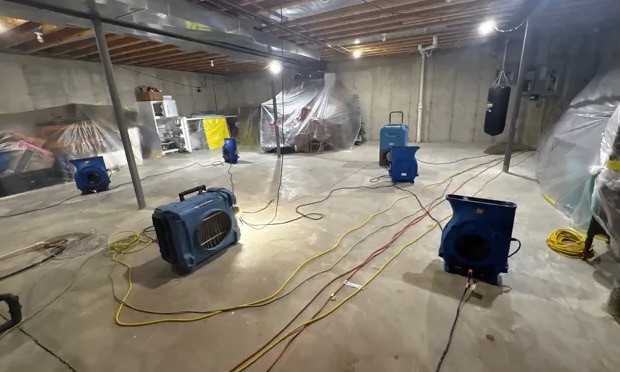
Local Basement Water Removal Services for Garden Valley
Finished basements in Garden Valley take more work after a flood. Carpet, pad, laminate, drywall and insulation all trap water against the concrete and framing.
Homes in Garden Valley and nearby Smiths Ferry, Lowman and Horseshoe Bend with basements face storm seepage, sewer backups and plumbing leaks. Help with basement water removal covers pump-out, wall and floor drying and dehumidification.
Specialized Basement Water Removal for Garden Valley
Basement Floor Water Damage
Flooring that buckled or swelled is removed. Tile and sealed concrete can often be cleaned and dried in place.
Basement Wall Drying
Basement walls are checked with moisture meters. Wet drywall is cut back above the water line, and insulation behind it is removed.
Basement Water Pump Out
When water is more than an inch or two deep, pumps move it far faster than wet vacs, which limits how long walls sit in water.
Basement Drying Services
Equipment stays until the basement reads dry, not just until it looks dry. Removing it early lets dampness return.
Emergency Basement Flooding
Help is available any hour when water is rising in the basement from a storm, a sewer backup or a burst pipe.
Indicators You Need Professional Water Removal
Efflorescence on Concrete Walls
White, powdery deposits on concrete walls mean water is passing through the masonry.
Musty Odors and Mold Smell
A musty or damp smell in the basement points to wet materials hidden somewhere in the space.
Mold or Mildew
Dark spots on drywall, framing or stored items mean the area has stayed wet for days.
Sump Pump Failure or Overflow
A sump pit that is full, overflowing or has a pump that will not start means water is about to spread.
How Basement Water Removal Works in Garden Valley
Step 1: Source Control and Water Pump Out
The leak is shut off and standing water is pumped out, starting at the lowest point.
Step 2: Water Extraction
Extractors pull water from carpet, pad and concrete, and wet vacs clear corners and stairs.
Step 3: Dehumidification and Drying
Large dehumidifiers and air movers dry walls, framing and slab over several days.
Step 4: Inspection and Clearance for Repair
Final readings confirm the basement is dry and ready for drywall and flooring repairs.
Common Causes of Basement Water Damage in Garden Valley
Improper Landscape Grading
Soil that slopes toward the house directs rainwater straight to the basement walls.
Sump Pump Malfunction or Power Loss
A sump pump that fails mechanically or loses power during a storm lets groundwater rise.
Sewer Line Backups and Blockages
A blocked sewer line can push wastewater up through basement floor drains and toilets.
Window Well Leaks and Drainage
Window wells without drains or covers fill with rain and leak through the windows.
Both Residential & Commercial Basement Water Removal
Residential Basement Water Removal
Finished basements used as bedrooms or family rooms need careful moisture checks behind walls and under flooring, since that is where water hides.
Commercial Basement Water Removal
Businesses with below-grade storage need wet inventory moved out and documented. Drying is planned around daily operations wherever possible.
The Risks of DIY Basement Water Removal
Do not step into basement water if cords, outlets or appliances are in it. Shut off power at the panel only if you can reach it from a dry spot, then call (208) 537-2633.
Understanding Basement Water Removal Pricing
The cost of basement water removal in Garden Valley depends on how deep the water is, what type of water it is and how much finished material has to come out.
Drying Time Required
Basements dry slowly, and each extra day of equipment adds to the total.
Access and Complexity
Narrow stairs, low ceilings and crowded storage areas make the work slower and longer.
Water Depth and Volume
Deeper water takes more pumping time and usually means more materials got wet.
Does Insurance Cover Basement Water Removal?
Ask your adjuster early how your policy treats seepage and sewer backups, since many policies limit or exclude both kinds of water.
Why Garden Valley Homeowners Trust Local Pros for Basement Water Removal
Clear Communication
You get plain updates on what was found, what was removed and how drying is going.
Industry Drying Standards
Water removal and drying follow industry water damage standards, with readings at every visit.
24/7 Emergency Response
Help is available day or night when water is rising in the basement.
Emergency Basement Flood Response in Garden Valley
Basement taking on water in Garden Valley? Make power safe if you can, move what you can and call (208) 537-2633. Help is available 24/7.
Call Now (208) 537-2633Basement Water Removal Serving Garden Valley and Surroundings
Other places served are listed below, each with its own page.
- Basement Water Removal in Smiths Ferry
- Basement Water Removal in Lowman
- Basement Water Removal in Horseshoe Bend
- Basement Water Removal in Idaho City
- Basement Water Removal in Avimor
- Basement Water Removal in Garden City
- Basement Water Removal in Hidden Springs
- Basement Water Removal in Emmett
- Emergency Damage Restoration in 83622
- Storm Damage Restoration in 83622
- Water Damage Restoration in 83622
- Water Extraction Service in 83622
- Water Leak Detection in 83622
- Water Removal Service in 83622
Basement Water Removal FAQs
Does basement flood cleanup include mold prevention?
Fast drying is the main prevention. Wood and concrete that stayed wet can be treated with an antimicrobial once dry.
How is contaminated water handled in a basement?
With protective gear, containment, removal of porous materials and disinfection of hard surfaces before drying.
How long does basement drying take?
Often several days or longer, because concrete and cool basement air hold moisture. Daily readings show when it is done.
How does a basement moisture inspection work?
Moisture meters and thermal cameras check walls, floors and the slab, including behind finished walls and under flooring.
Why is basement dehumidification important after pumping?
Walls and concrete keep releasing moisture for days. Dehumidifiers remove it so the basement does not stay damp.