Barber Valley, ID
Clogged Drain Water Removal in Barber Valley, IDEmergency Drain Water Extraction & Toilet Overflow Water Removal
Get clogged drain water removal in Barber Valley for emergency drain water extraction, floor drain backup water removal and drain clog flood drying.
Answered 24/7
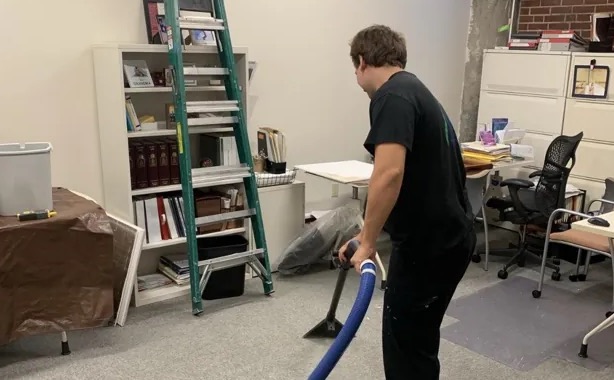
Your Local Solution for Clogged Drain Water Removal in ID
When several drains back up at once in a Barber Valley home, the main sewer line is usually blocked. Water often comes up at the lowest drain first: a floor drain, a shower or a ground-floor toilet.
Comprehensive Clogged Drain Water Removal Services in Barber Valley
Emergency Drain Water Extraction
A drain backup can get worse every time someone runs water. Stopping water use and extracting quickly limits the spread.
Toilet Overflow Water Removal
Bath mats and rugs soaked by toilet water are discarded, and tile and grout are disinfected.
Drain Clog Flood Drying
Drying comes after cleaning, so dirty water residue is not left behind in floors and walls.
Floor Drain Backup Water Removal
Walls and stored items near the floor drain are checked, and wet cardboard and porous items are removed.
Sewer Backup Water Removal
A sewer backup usually shows up at the lowest drain in the house. That area is contained so contamination stays out of clean rooms.
Common Signals for Clogged Drain Water Removal in ID
Water Seeping From Pipe Joints
Water seeping from pipe joints under a sink can mean pressure from a clog downstream.
Foul Odors From Drains
Sewage or rotten smells from drains can mean waste is backing up or sitting in the line.
Toilet Water Rising Dangerously High
Toilet water that rises near the rim when flushed is a sign of a clog that could overflow.
Gurgling Sounds From Drains
Gurgling from drains or toilets when water runs elsewhere often means a blockage in the line.
How Clogged Drain Water Removal Works in Barber Valley
Step 1: Water Containment
The area is closed off and water use is stopped so the backup does not spread further.
Step 2: Damage Diagnosis
The type of water, the wet area and any damage to rooms below are checked and recorded.
Step 3: Material Removal
Carpet, pad and drywall soaked by contaminated water are removed and bagged.
Step 4: Area Drying
Equipment dries the floor, walls and cabinets until readings match dry areas.
Frequent Sources of Drain Backup Water
Flushed Non-Flushable Items
Wipes, paper towels and other items that do not break down block toilet and sewer lines.
Foreign Objects in Drains
Toys, jewelry and other objects dropped into drains can block water flow.
Grease and Food Waste
Grease and food scraps poured down kitchen drains harden and block the pipe.
Simultaneous High-Volume Water Use
Running the washer, dishwasher and shower at once can overload a partly clogged line.
Residential and Commercial Clogged Drain Water Removal in Barber Valley
Residential Clogged Drain Water Removal
Homeowners with older drain lines may face repeat backups. Each cleanup comes with notes on the likely cause for the plumber.
Commercial Clogged Drain Water Removal
Medical offices and food-service spaces need backup areas cleaned and disinfected to meet the health rules for those spaces before reopening.
The Risks of DIY Clogged Drain Water Removal in Barber Valley
Mopping up drain water leaves residue in grout lines and under flooring edges. Professional cleanup disinfects those areas and then dries the subfloor and wall bases underneath.
Understanding Clogged Drain Water Removal Cost in Barber Valley
The pros check the type of water and the wet area before pricing clogged drain water removal in Barber Valley, then explain what will be removed, cleaned and dried.
Contamination Level
Contaminated carpet, pad and drywall must be removed and disposed of, which adds labor.
Structural Material Impact
Water that soaked into subfloors, cabinets or the ceiling below adds drying and repair work.
Severity of Backup
A small sink overflow costs less to clean up than a sewer backup across a whole floor.
Does Insurance Cover Clogged Drain Water Removal?
Photos, a list of removed materials and drying logs from local water removal experts help support a drain backup claim in Barber Valley.
Why Choose Local Pros for Clogged Drain Water Removal in Barber Valley
Clear Next Steps
You learn where the blockage likely is, so a plumber can fix the right line.
Industry Standards
Cleanup follows industry standards for gray and black water, with readings at every visit.
Detailed Damage Documentation
Photos, readings and removal lists are kept to support your insurance claim.
Around-the-Clock Clogged Drain Water Removal in Barber Valley
Drain backing up in Barber Valley? Stop running water in the house, keep people away from it and call (208) 537-2633. Help is available 24/7.
Call Now (208) 537-2633Clogged Drain Water Removal in Barber Valley and Other Areas Served
Help with clogged drain water removal is available across Barber Valley, including clogged drain water extraction and sewer backup water removal.
- Clogged Drain Water Removal in Adrian
- Clogged Drain Water Removal in Amity
- Clogged Drain Water Removal in Annex
- Clogged Drain Water Removal in Avimor
- Clogged Drain Water Removal in Big Bend
- Clogged Drain Water Removal in Black Cat
- Clogged Drain Water Removal in Boise Hills Village
- Clogged Drain Water Removal in Boise
Common Clogged Drain Water Removal Queries Answered
Is sewer line water extraction a complex process?
It needs protective gear, containment, removal of porous materials and disinfection, so it takes more care than clean water.
How long does clogged pipe water cleanup take?
Extraction and cleaning often take a day. Drying usually takes a few more days, depending on what got wet.
What tools are used for drain backup water removal?
Extractors, wet vacs and pumps for the water, disinfectants for cleanup, and air movers, dehumidifiers and meters for drying.
How is sewer backup water removal different?
Sewage carries bacteria, so it is extracted with protective gear, porous materials are removed and hard surfaces are disinfected.
Why is drying important after a drain backup?
Water soaks into grout, subfloors and wall bases. Without drying, those areas stay damp and develop odors.