Five Mile Creek Area, ID
Concrete Water Damage Restoration in Five Mile Creek Area, IDSidewalk Water Damage Cleanup & Concrete Slab Water Extraction
Concrete Water Damage Restoration in Five Mile Creek Area runs from concrete slab water extraction and flooded garage concrete cleanup to driveway water damage restoration.
Answered 24/7
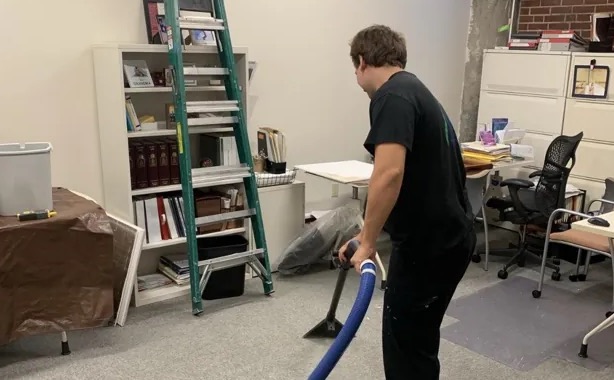
Expert Concrete Water Damage Restoration for Five Mile Creek Area Homes
Cracks in a slab or foundation wall in Five Mile Creek Area can let water seep in after heavy rain. The water shows up as damp patches, white deposits or puddles along the wall.
Comprehensive Concrete Water Damage Restoration in Five Mile Creek Area
Sidewalk Water Damage Cleanup
Sidewalk cleanup after storms often goes along with drying entryways and floors inside the building.
Concrete Slab Water Extraction
Readings across the slab show where moisture remains, which decides how long drying equipment needs to run.
Pool Deck Water Removal
Pool equipment rooms and nearby garages that took on water are extracted and dried.
Flooded Garage Concrete Cleanup
Oil and debris washed across the garage floor are cleaned up before drying, so they are not tracked into the house.
Concrete Crack Seepage Repair
Drying the area around a seeping crack only lasts if the crack is sealed, so the source is always noted.
Warning Signs of Concrete Water Damage in Five Mile Creek Area
Uneven or Sinking Concrete Sections
Concrete sections that sink or tilt can trap water or send it toward the house.
Standing Water on Concrete Slabs
Standing water on a slab floor or garage needs extraction before it soaks into flooring and wall bases.
Rusted Reinforcement Bar Stains
Rust-colored stains on concrete can mean water has reached the steel reinforcement inside.
Increased Indoor Humidity Levels
A slab home that feels humid after rain may have moisture coming up through the floor.
How Concrete Water Damage Restoration Works in Five Mile Creek Area
Step 1: Concrete Moisture Inspection and Assessment
Readings across the slab, wall bases and flooring show where water spread and where it is trapped.
Step 2: Concrete Slab Water Extraction
Standing water is pumped or extracted, and flooring that traps water is lifted where needed.
Step 3: Structural Drying and Dehumidification
Air movers and dehumidifiers dry the slab and wall bases, with readings taken every day.
Step 4: Final Verification and Documentation
Final readings confirm the concrete is dry, and the cause is noted for repair.
Typical Origins of Concrete Damage in Five Mile Creek Area
Plumbing Leaks Under Slabs
Leaking pipes under the slab push water up through cracks and into flooring.
Crack Expansion From Settlement
Settling soil cracks slabs and walkways, opening paths for water to enter.
Swimming Pool Leaks and Overflows
Pool overflows and leaks can send water across decks and toward the house.
Sprinkler System Misalignment
Irrigation sprinklers aimed at walls and walkways keep concrete and wall bases wet.
Concrete Water Damage Restoration for All Properties in Five Mile Creek Area
Residential Concrete Water Damage Restoration
Homeowners often notice water first at the garage or a patio door. The interior is dried and the outside cause is noted.
Commercial Concrete Water Damage Restoration
Property managers with walkways and parking areas get written notes on drainage problems that send water toward their buildings.
Professional Concrete Water Damage Restoration or DIY in Five Mile Creek Area
You can move stored items off a wet garage floor, clear debris from drains and take photos. Drying concrete under flooring or along wall bases needs readings and equipment.
Cost Considerations for Concrete Water Damage Restoration in Five Mile Creek Area
The pros take readings on the slab and wall bases before pricing concrete water damage restoration in Five Mile Creek Area, then explain what will be lifted and dried.
Site Accessibility
Tight garages, crowded storage and finished floors make the work slower to reach and set up.
Slab Type and Condition
Older slabs without vapor barriers can hold more moisture and dry more slowly.
Affected Surface Area
Larger wet concrete areas need more extraction, more equipment and more drying time.
Does Insurance Cover Concrete Water Damage Restoration?
Insurers often ask whether water came from a leak, the ground or outside flooding. Notes on the source and any cracks help answer that.
Why Local Pros Handle Concrete Water Damage Restoration in Five Mile Creek Area
Mold Prevention Focus
Wall bases and sill plates that stayed wet can be treated with an antimicrobial after drying.
Damage Documentation
Photos, readings and drying logs are kept to support your insurance claim.
Concrete Experience
Drying is set up for concrete, which releases water slowly and needs steady dehumidification.
Emergency Concrete Water Damage Restoration Available in Five Mile Creek Area
The sooner water is removed from concrete, the less flooring and drywall are lost. Call (208) 537-2633 for concrete water damage restoration in Five Mile Creek Area right away.
Call Now (208) 537-2633Concrete Water Damage Restoration Available Throughout Five Mile Creek Area
Help with concrete water damage restoration is available across Five Mile Creek Area, including concrete slab water extraction and concrete foundation drying.
- Concrete Water Damage Restoration in Adrian
- Concrete Water Damage Restoration in Amity
- Concrete Water Damage Restoration in Annex
- Concrete Water Damage Restoration in Avimor
- Concrete Water Damage Restoration in Barber Valley
- Concrete Water Damage Restoration in Big Bend
- Concrete Water Damage Restoration in Black Cat
- Concrete Water Damage Restoration in Boise Hills Village
Your Concrete Water Damage Restoration Questions Addressed
Does drying wet concrete prevent mold growth?
It helps a lot. Mold usually starts on wood, drywall and flooring sitting on damp concrete, so drying protects them.
How long does sidewalk water damage cleanup take?
Clearing debris usually takes hours. Any interior drying near entries often takes a few days.
How is concrete crack seepage handled?
Water is extracted and the area is dried inside, and the crack is photographed and noted for a sealing contractor.
Can sidewalk water removal help prevent trip hazards?
Clearing standing water, mud and debris lowers slip risks, and sunken or heaved sections are noted for repair.
How does concrete slab water extraction work?
Standing water is pumped or extracted, flooring that traps water is lifted, and the slab is dried with dehumidifiers and air movers.