South Nampa, ID
Roof Leak Water Removal in South Nampa, IDWet Contents Protection & Wet Insulation Removal
Local water damage pros in South Nampa provide roof leak water removal with emergency roof tarping, wall cavity drying and structural drying services.
Answered 24/7
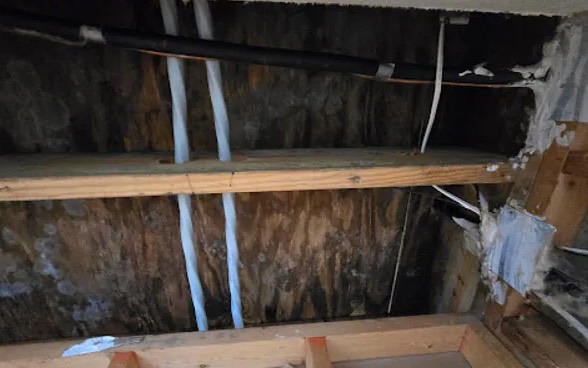
Roof Leak Water Removal for South Nampa Homes
Wet ceilings, damp insulation and water running down an inside wall are all signs that a roof leak has gone past the attic floor.
Roof leaks in South Nampa usually show up during heavy rain, when water finds a lifted shingle or worn flashing. The pros extract the water, pull wet insulation and dry the attic and ceiling below.
Attic and Ceiling Water Removal in South Nampa
Wet Contents Protection
Furniture, rugs and boxes under the leak are moved, blocked up or covered. Wet items are listed and photographed before they are dried or set aside.
Wet Insulation Removal
Insulation that only got damp at the edges may dry in place. Material that is matted, stained or smells musty is taken out and replaced after drying.
Attic Water Extraction
Water that pools on attic floors, vapor barriers or ceiling drywall is pulled out with wet vacuums and portable extractors before it soaks through to the room below.
Structural Drying Services
Drying a roof leak means drying wood, not just air. The pros track moisture in the sheathing and framing and adjust the setup until the numbers drop.
Leak Source Identification
Photos of the entry point, the wet decking and the path of the water give the roofer and your insurer a clear record of the leak.
When a Roof Leak Needs Water Removal
Peeling Paint on Upper Walls
Bubbling or peeling paint near the ceiling line on exterior walls points to water running down inside the wall.
Dripping From a Light Fixture
Water dripping from a light or ceiling fan means it has pooled above the ceiling. Turn off that circuit and keep people clear.
Wet or Flattened Insulation
Insulation that is matted, stained or damp to the touch in the attic means rain is getting past the roof deck.
Dark Spots on Attic Wood
Dark streaks or spots on rafters and roof decking show where water has been running or sitting for a while.
How Roof Leak Water Removal Works in South Nampa
Step 1: Safety Check
Power to wet ceiling fixtures is shut off and sagging areas are marked so no one walks under them during the work.
Step 2: Roof Tarp and Extraction
The roof is tarped if rain is still possible, then water is removed from the attic, ceiling cavities and floors.
Step 3: Drying Setup
Dehumidifiers and air movers are placed in the attic and the rooms below so both levels dry at the same time.
Step 4: Final Readings
When the wood and drywall read dry, equipment is removed and the roofer and drywall repairs can be scheduled.
Why Water Gets Into the Attic in South Nampa
Damaged or Missing Shingles
Wind, age and impact lift or tear shingles and leave the underlayment exposed, so rain soaks straight into the decking.
Storm Debris and Hail
Falling branches and hail can crack shingles or puncture the deck, opening a direct path for rain into the attic.
Cracked Vent Boots
The rubber collars around plumbing vents dry out and split with age, letting rain drip down the pipe into the attic.
Attic Condensation
Warm, humid indoor air meeting a cold roof deck in winter forms frost and drips that can look like a leak and soak insulation.
Residential and Commercial Roof Leak Water Removal in South Nampa
Residential Roof Leak Water Removal
For homeowners, drying the attic and ceiling before stains spread can save the drywall. Moisture readings show what can stay and what has to come out.
Commercial Roof Leak Water Removal
Property managers get moisture readings and photos for each affected unit or suite, which helps when several tenants and an owner's insurer are involved.
DIY Steps and Their Limits After a Roof Leak in South Nampa
Move furniture, electronics and rugs out from under the leak, and set buckets under steady drips. Lay towels to keep water from spreading across wood or carpet floors.
What Roof Leak Water Removal Costs in South Nampa
Roof leak cleanup is usually priced on the area affected, the equipment used and the days it runs. After-hours calls during a storm can add to the price.
Insulation Removal
Bagging and hauling soaked insulation takes labor, and the attic needs new insulation once the framing is dry.
Emergency Tarping
If the roof needs a tarp before drying can start, the materials and labor for that step add to the bill.
Ceiling Drywall
Ceilings that can be dried in place cost less than ones that sag or crumble and have to be cut out and replaced.
Does Insurance Cover Roof Leak Water Removal?
Insurance may pay for water removal and drying after a covered roof leak, while the roof repair is handled under different terms. Check your policy and deductible.
What Local Pros Bring to a Roof Leak in South Nampa
Drying to Measured Targets
Drying stops only when meters show the wood and drywall are dry, not when the surface looks dry.
Safe Attic Work
The pros know how to move through an attic on the framing and handle wet ceilings without bringing them down.
Notes for the Roofer
The entry point and the path the water took are documented so the roofer knows exactly where to look.
24/7 Emergency Roof Leak Water Removal in South Nampa
A sagging ceiling can come down without warning. Keep people out of the room and call (208) 537-2633 for emergency roof leak water removal in South Nampa.
Call Now (208) 537-2633Local Roof Leak Water Removal Coverage for South Nampa
Help with roof leak water removal is available across South Nampa, including emergency roof tarping and attic water extraction.
Roof Leak Water Removal Questions Answered
Can a roof leak cause mold in the attic?
Yes, if the wood and insulation stay wet. Prompt extraction and drying, plus removing soaked insulation, keep the attic from staying damp long enough for mold.
What does emergency roof tarping involve?
A heavy tarp is laid over the damaged area and fastened down so rain stops coming in. It stays until a roofer makes the permanent repair.
What is roof leak water removal?
It is the work of getting rainwater out of the attic, ceiling, walls and floors after a roof leak and drying the structure. The roof repair itself is done by a roofer.
Are old ceiling stains a sign of an active leak?
Not always. A dry stain may be from a past leak. A stain that is damp, growing or bulging means water is still getting in.
Does a stained ceiling always need to be replaced?
No. If moisture readings show the drywall is firm and dries out, it can often stay and be primed and painted. Soft or sagging sections are replaced.