Ten Mile, ID
Water Damage Mitigation in Ten Mile, IDFloor Water Damage Cleanup & Water Damaged Drywall Repair
Water Damage Mitigation in Ten Mile includes moisture detection inspection, mold prevention after water and emergency water extraction.
Answered 24/7
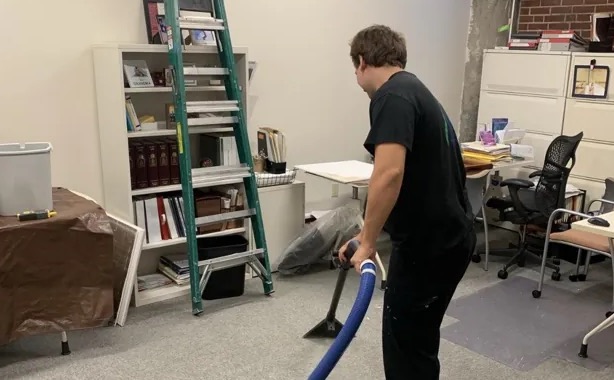
Local Water Damage Mitigation for Ten Mile Residents
Effective water damage mitigation addresses the full scope of an incident, from the initial leak to potential long-term effects like mold.
In Ten Mile, restoration pros inspect for moisture and dry flooded homes, documenting the work. Standing water comes out first, then air movers and dehumidifiers finish the drying.
Detailed Water Damage Mitigation for Ten Mile Properties
Floor Water Damage Cleanup
Different flooring materials require specific mitigation strategies. Local water extraction experts handle wood, vinyl, and concrete floors with appropriate techniques to limit damage.
Water Damaged Drywall Repair
Drywall repair is a common part of water damage mitigation. The experts cut out sagging or stained drywall.
Structural Drying Services
Complete structural drying is non-negotiable for proper restoration. The experts use moisture meters to monitor walls and floors.
Emergency Water Extraction
Professional water extraction addresses visible water. The experts work methodically to pull water from carpets, padding, and hard surfaces.
Mold Prevention After Water
Rapid, professional water mitigation is the primary defense against mold. By removing water and drying materials quickly, the experts create an environment where mold cannot easily grow.
Signs Your Home Needs Water Damage Mitigation
Peeling Paint or Wallpaper
Paint or wallpaper that is blistering or peeling away from the surface is often due to moisture.
Discolored or Stained Ceiling Tiles
Brown or yellow stains on ceiling tiles or drywall point to a leak from above.
Warping or Buckling Floorboards
Wood floors that are warping, cupping, or buckling have likely absorbed significant moisture.
Water Dripping From Ceiling
Active dripping, even off and on, means a leak that is wetting the structure every time.
How Water Damage Mitigation Works in Ten Mile
Step 1: Source Stop and Safety Check
The first action is to confirm the water source is stopped and ensure the area is electrically safe.
Step 2: Complete Flooded Home Drying
For a flooded home drying project, industrial-grade air movers and dehumidifiers are set up in a calculated pattern.
Step 3: Focused Wet Carpet Drying
Special attention is given to wet carpet drying, using extractors, matting, and lifters to dry carpet, pad, and subfloor simultaneously to prevent delamination and odor.
Step 4: Continuous Moisture Monitoring
The pros monitor moisture levels in materials daily, adjusting equipment as needed. They help ensure all structural components meet industry-standard dryness criteria before concluding.
Leading Causes of Household Water Incidents
HVAC System Condensation Issues
Faulty condensate drain lines or overflowing drip pans from air conditioners can cause hidden water damage.
Appliance Malfunctions and Leaks
Water heaters, washing machines, dishwashers, and refrigerators can leak or overflow, causing significant floor water damage.
Clogged or Overflowing Gutters
Gutters blocked by debris force water to overflow and pool near the foundation, leading to seepage.
Sewage Backup or Drain Clogs
Blocked main sewer lines or septic systems can force contaminated water back into sinks, tubs, and toilets.
Water Damage Mitigation for Homes and Businesses in Ten Mile
Residential Water Damage Mitigation
In kitchens and bathrooms, local pros dry carpet, repair drywall and dry behind cabinets and under flooring to protect the home in the Ten Mile area.
Commercial Water Damage Mitigation
In offices, mitigation covers electrical safety, protecting computers and drying ceiling systems. The pros use commercial dehumidifiers to keep mold from starting.
Water Damage Mitigation vs. DIY: When to Call Water Extraction Experts
After a minor spill, dry the surface with towels and run a dehumidifier. Watch for returning dampness or odors. Damp drywall or subfloors need pros with moisture meters.
Understanding Water Damage Mitigation Pricing in Ten Mile
Several factors influence water damage mitigation cost in Ten Mile, primarily the size of the flooded area and the required drying time.
Content Drying Needs
Mitigating damage to furniture, documents, or other belongings adds to the project scope and the overall cost of restoration.
Mold Prevention Steps
Antimicrobial treatment to prevent mold adds a step and some cost to the job.
Material Type
Porous materials like drywall and carpet absorb more water, often needing removal. Non-porous surfaces may only require surface drying.
Does Insurance Cover Water Damage Mitigation?
Whether your policy covers water damage inspection and mitigation depends on its specific language. After a leak, the priority is stopping the water and drying the structure to prevent mold. The experts in Ten Mile document every step with moisture meters and photos for your claim file.
Reasons to Hire Water Extraction Experts in Ten Mile for Water Damage Mitigation
Content Drying Focus
The pros dry furniture, documents and belongings as well as the building itself.
24/7 Emergency Response
Water damage requires immediate attention to prevent worsening. The pros offer around-the-clock availability for emergency water extraction calls.
Focused Material Repair
Pros also repair common problem areas, like water-damaged drywall and wet carpet.
24-Hour Emergency Water Damage Mitigation in Ten Mile
For structural drying in Ten Mile, call (208) 537-2633 any time of day. The faster drying starts, the less damage there is.
Call Now (208) 537-2633The Water Damage Mitigation Service Area Includes Ten Mile
Each place listed below has its own page with local details.
Common Water Damage Mitigation Questions Answered
What equipment is used for water removal service?
Pros use truck-mounted or portable extractors for water removal, followed by industrial-grade air movers, dehumidifiers, and moisture meters to dry the structure completely.
Is water damage mitigation different from restoration?
Mitigation is the emergency stop-dry-clean phase immediately after the incident. After the structure is dry and stable, restoration is the rebuilding and repair phase that follows.
What does structural drying involve?
Air movers and dehumidifiers pull moisture out of wood, drywall and concrete until readings are back to normal.
Are content drying services part of standard mitigation?
Content drying services are often an additional but crucial part of mitigation, focusing on salvaging personal property separately from the building structure drying process.
What is the goal of water damage mitigation?
The primary goal is to stop the damage from worsening, remove water, and dry the property quickly to preserve structural integrity and prevent secondary damage like mold.