Chinden Corridor, ID
Behind Wall Water Extraction in Chinden Corridor, IDHidden Water Damage Detection & Interior Wall Drying Services
Behind Wall Water Extraction in Chinden Corridor covers hidden water damage detection, wall cavity water extraction and interior wall drying services.
Answered 24/7
Need Behind Wall Water Extraction in Chinden Corridor, ID? Call (208) 537-2633
When a pipe bursts inside a wall in Chinden Corridor, water can pour out at the floor, through outlets or into the room below. Shutting off the main is the first step.
Comprehensive Behind Wall Water Extraction Offered in Chinden Corridor
Hidden Water Damage Detection
Detection starts at the visible stain or soft spot and works outward, checking studs, baseboards and the floor along the wall.
Interior Wall Drying Services
Dry air is pushed into the wall cavity through small holes near the base, while dehumidifiers pull moisture out of the room.
Post-Extraction Wall Sanitization
After drying, framing and the back of drywall can be cleaned and treated with an antimicrobial where they stayed wet.
Moisture Barrier Installation
Barrier replacement is done after the cavity is dry, so moisture is not sealed in behind new materials.
Wall Leak Source Identification
Finding the source matters because drying is wasted if the wall keeps getting wet. The source is noted for your plumber or roofer.
Warning Signs You Need Behind Wall Water Extraction
Sagging or Drooping Drywall
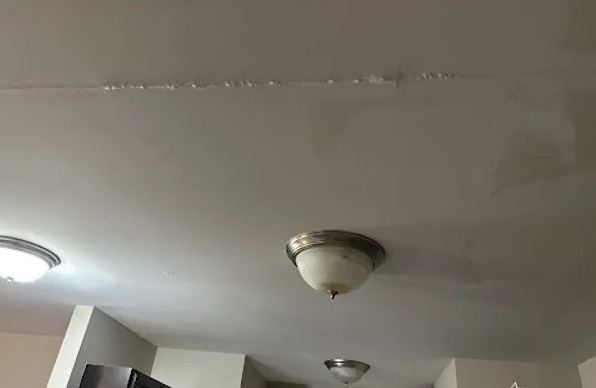
Drywall that sags or droops is holding water and can fail. Keep clear and call for help.
Condensation or Efflorescence
White, powdery deposits on masonry walls mean water is moving through them.
Dampness on Wall Surfaces
A wall that feels cool and damp to the touch may have wet insulation or drywall behind it.
Sudden Spike in Water Bill
A water bill that rises with no change in use can mean a supply line leaking inside a wall.
How Behind Wall Water Extraction Works in Chinden Corridor
Step 1: Wall Leak Source Identification
The pros trace the water to a pipe, fixture, window or roof leak and note it for repair.
Step 2: Controlled Access and Water Removal
The wall is opened only where needed, and standing water is extracted from the cavity.
Step 3: Wall Cavity Drying
Air movers and dehumidifiers dry the studs, plates and the back of the drywall.
Step 4: Damaged Material Removal and Cleanup
Drywall and insulation that cannot be saved are removed, and the area is cleaned up.
Sources of Water Inside Walls in Chinden Corridor
Foundation Cracks and Seepage
Groundwater seeping through foundation cracks can wet the bottom of lower-level walls.
Window or Door Seal Failure
Worn caulk and flashing around windows and doors let rain into the wall during storms.
Siding or Stucco Penetration
Cracks in siding or stucco, and gaps around fixtures, let rain into the wall cavity.
Overflow From Adjacent Rooms
Water from an overflowing tub or burst line in the next room runs under the wall into its cavity.
Residential and Commercial Behind Wall Water Extraction in Chinden Corridor
Residential Behind Wall Water Extraction
In apartments and condos, a leak in one wall can reach the unit next door. Both sides of a shared wall are checked and dried, with records for each.
Commercial Behind Wall Water Extraction
Property managers get photos, readings and source notes for each affected unit, which helps with plumbing repairs and insurance.
DIY Risks for Behind Wall Water Extraction in Chinden Corridor Homes
A fan blowing on the outside of a wall will not dry the cavity behind it. Professional drying pushes air into the wall and uses readings to confirm the studs are dry.
What Affects Behind Wall Water Extraction Cost in Chinden Corridor?
Plumbing or roof repairs are billed separately from water removal and drying. In Chinden Corridor, both are needed to stop the leak for good.
Emergency Service Timing
Night, weekend and holiday calls can cost more than a scheduled weekday visit.
Sanitization Requirements
Water from a drain or sewer line requires cleaning and disinfection of the wall cavity.
Access Method Needed
Drying through small holes costs less than cutting out and replacing large sections of drywall.
Does Insurance Cover Behind Wall Water Extraction?
Photograph the stain, the opened wall and the leaking pipe or fitting before repairs, and keep receipts for emergency extraction and drying.
Advantages of Hiring Local Pros for Behind Wall Water Extraction in Chinden Corridor
Detailed Claim Documentation
Photos, readings and drying logs are kept to support your insurance claim.
Industry Drying Standards
Drying follows industry water damage standards, with readings taken at every visit.
Focused Wall Leak Identification
The source is traced and photographed so the plumber or roofer knows exactly what to fix.
24/7 Behind Wall Water Extraction for Emergencies in Chinden Corridor
Wall bulging or sagging with water? Keep clear and call (208) 537-2633 now for behind wall water extraction in Chinden Corridor before it gives way.
Call Now (208) 537-2633Behind Wall Water Extraction in Chinden Corridor and Other Areas Served
Homes and businesses throughout Chinden Corridor can get interior wall drying services and wet drywall as part of behind wall water extraction.
- Behind Wall Water Extraction in Adrian
- Behind Wall Water Extraction in Amity
- Behind Wall Water Extraction in Annex
- Behind Wall Water Extraction in Avimor
- Behind Wall Water Extraction in Barber Valley
- Behind Wall Water Extraction in Big Bend
- Behind Wall Water Extraction in Black Cat
- Behind Wall Water Extraction in Boise Hills Village
FAQ: Behind Wall Water Extraction in Chinden Corridor, ID
Why call pros for water extraction from walls?
They can find the water without guesswork, open the wall only where needed and confirm the cavity is dry.
What is a moisture barrier after water extraction?
A plastic vapor barrier in some exterior walls. If it was damaged or trapped water, it is replaced after the cavity is dry.
What is behind wall water extraction?
Finding water inside a wall cavity, removing it through small openings or removed drywall, and drying the framing and insulation until readings are normal.
Is wall cavity drying always needed after extraction?
Yes. Extraction removes standing water, but studs, plates and insulation stay wet inside a closed wall unless they are dried.
Is the source of a wall leak identified?
Yes. The pros trace the water to a pipe, fixture, window or roof leak and note it so the right repair can be made.