Garden Valley, ID · Boise County
Concrete Water Damage Restoration in Garden Valley, IDPatio Slab Drying Services & Sidewalk Water Damage Cleanup
Get concrete water damage restoration in Garden Valley for flooded garage concrete cleanup, driveway water damage restoration and concrete slab water extraction.
Answered 24/7
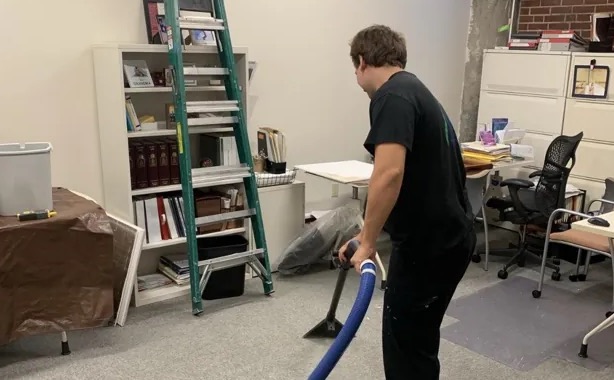
Concrete Water Damage Restoration You Can Trust in Garden Valley
Outdoor concrete in Garden Valley, like driveways, patios and pool decks, usually dries on its own. The trouble starts when that concrete slopes toward the house and sends water inside.
A heavy storm in Garden Valley can send water across patios and into the house. Local concrete restoration pros serve Garden Valley and nearby Smiths Ferry, Lowman and Horseshoe Bend, with help around the clock.
Available Concrete Water Damage Restoration Solutions for Garden Valley
Patio Slab Drying Services
Patio slabs dry on their own outdoors, but water running from a patio under a door is extracted and the interior floor and walls are dried.
Sidewalk Water Damage Cleanup
Sunken or cracked sidewalk sections that trap water or send it toward the building are noted for repair.
Pool Deck Water Removal
Pool equipment rooms and nearby garages that took on water are extracted and dried.
Concrete Slab Water Extraction
Water on a slab floor is removed from the lowest spots first, then the concrete is dried with air movers and dehumidifiers.
Flooded Garage Concrete Cleanup
Oil and debris washed across the garage floor are cleaned up before drying, so they are not tracked into the house.
Warning Signs of Concrete Water Damage in Garden Valley
Uneven or Sinking Concrete Sections
Concrete sections that sink or tilt can trap water or send it toward the house.
Increased Indoor Humidity Levels
A slab home that feels humid after rain may have moisture coming up through the floor.
Musty Odors From Concrete Areas
A musty smell near concrete floors or walls can mean moisture trapped under flooring or behind walls.
Rusted Reinforcement Bar Stains
Rust-colored stains on concrete can mean water has reached the steel reinforcement inside.
How Concrete Water Damage Restoration Works in Garden Valley
Step 1: Source Identification and Containment
The leak, crack or drainage problem is found and water is kept from spreading further.
Step 2: Water Extraction Services
Water is extracted from every affected floor, including garages and utility rooms.
Step 3: Drying and Monitoring
Readings are logged daily on the slab and walls, and equipment is moved as areas dry.
Step 4: Restoration Completion Report
A report lists what was dried, what was removed and the outside causes to fix.
Primary Reasons for Water Damage in Garden Valley
Appliance Malfunctions in Garages
Water heaters, washers and AC drains in garages leak onto the concrete floor.
Heavy Rainfall and Surface Flooding
Heavy rain and surface flooding can push water across concrete and under doors.
Swimming Pool Leaks and Overflows
Pool overflows and leaks can send water across decks and toward the house.
Sprinkler System Misalignment
Irrigation sprinklers aimed at walls and walkways keep concrete and wall bases wet.
Concrete Water Damage Restoration for Homes and Businesses in Garden Valley
Residential Concrete Water Damage Restoration
Families with pools may see water from pool overflows reach the house. Interior floors and walls are dried.
Commercial Concrete Water Damage Restoration
Restaurants and shops with slab floors need water removed and floors dried quickly so customers and staff can walk safely.
When to DIY and When to Call the Pros for Concrete Water Damage Restoration in Garden Valley
For a small puddle on bare concrete, a squeegee, a wet vac and a fan may be enough. Call local concrete restoration pros if water got under flooring, into walls or keeps coming back.
Cost Considerations for Concrete Water Damage Restoration in Garden Valley
The pros take readings on the slab and wall bases before pricing concrete water damage restoration in Garden Valley, then explain what will be lifted and dried.
Affected Surface Area
Larger wet concrete areas need more extraction, more equipment and more drying time.
Water Depth and Saturation
Water that soaked deep into concrete takes longer to dry than water caught on the surface.
Contaminant Presence
Water from drains, sewers or outside floods needs cleaning and disinfection before drying.
Does Insurance Cover Concrete Water Damage Restoration?
Photos, moisture readings and drying logs from the pros help support an insurance claim for concrete water damage in Garden Valley.
Why Local Pros Handle Concrete Water Damage Restoration in Garden Valley
Concrete Experience
Drying is set up for concrete, which releases water slowly and needs steady dehumidification.
Clear Process Communication
You get plain updates on drying progress and on the outside causes that need attention.
Water Extraction
Standing water is pumped and extracted from slabs before drying begins, which saves time.
Round-the-Clock Concrete Water Damage Restoration in Garden Valley
Water on concrete soaks into flooring and wall bases quickly. Call (208) 537-2633 for concrete water damage restoration in Garden Valley at any hour, including holidays.
Call Now (208) 537-2633Concrete Water Damage Restoration Available Throughout Garden Valley
Other places served are listed below, each with its own page.
- Concrete Water Damage Restoration in Smiths Ferry
- Concrete Water Damage Restoration in Lowman
- Concrete Water Damage Restoration in Horseshoe Bend
- Concrete Water Damage Restoration in Idaho City
- Concrete Water Damage Restoration in Avimor
- Concrete Water Damage Restoration in Garden City
- Concrete Water Damage Restoration in Hidden Springs
- Concrete Water Damage Restoration in Emmett
- Emergency Damage Restoration in 83622
- Storm Damage Restoration in 83622
- Water Damage Restoration in 83622
- Water Extraction Service in 83622
- Water Leak Detection in 83622
- Water Removal Service in 83622
Frequently Asked Questions About Concrete Water Damage Restoration
What causes foundation water damage cleanup to be needed?
Poor drainage, downspouts that empty near the foundation, cracks, slab leaks and rising groundwater after wet weather.
How does concrete slab water extraction work?
Standing water is pumped or extracted, flooring that traps water is lifted, and the slab is dried with dehumidifiers and air movers.
How is concrete mold prevention achieved after water damage?
By drying the slab and the materials on it quickly and treating wall bases and sill plates that stayed wet.
What should be done right after finding pool deck water near the house?
Stop the overflow or leak, keep water away from doors and call for drying if it reached inside.
Does drying wet concrete prevent mold growth?
It helps a lot. Mold usually starts on wood, drywall and flooring sitting on damp concrete, so drying protects them.